

Expressive Portraiture: Celebrating Bonds and Identity
Many pet owners in the United Kingdom know the feeling of wanting more than just a photo to honour their furry companions. Choosing expressive portraiture gives you a chance to immortalise your pet’s unique personality and the emotional bonds that make your family truly special. By blending artistic interpretation with emotional depth, an expressive portrait captures not just appearance but real connection, letting you celebrate memories in a way that feels truly personal and heartfelt.
Table of Contents
- What Expressive Portraiture Really Means
- Types of Expressive Portraits for Pets and People
- Key Features: Emotion, Style, and Technique
- How Expressive Portraits Deepen Personal Bonds
- Top Tips and Common Mistakes to Avoid
Key Takeaways
| Point | Details |
|---|---|
| Expressive Portraiture Focuses on Emotion | This art form prioritises emotional authenticity over mere physical resemblance, revealing the true essence of subjects. |
| Importance of Collaboration | Successful portraits require open communication and trust with the artist, allowing for creative freedom while maintaining your vision. |
| Diverse Styles Available | There are various approaches to expressive portraiture, including painted and mixed media, each offering unique ways to celebrate identity and connection. |
| Capturing Personal Bonds | Expressive portraits serve as visual representations of relationships, enhancing familial connections and creating lasting memories. |
What Expressive Portraiture Really Means
Expressive portraiture goes far beyond simply capturing someone’s appearance. It’s about revealing who they truly are through artistic interpretation and emotional depth.
At its core, expressive portraiture combines likeness with emotional authenticity. Rather than focusing solely on physical features, it aims to communicate the inner emotional state of your subject. This could be your beloved dog’s playful spirit, your child’s tender curiosity, or your family’s shared warmth.
The distinction matters. Traditional portraiture emphasises accuracy and physical resemblance. Expressive portraiture, meanwhile, prioritises the feeling behind the subject—what makes them distinctive beyond their facial structure or appearance.
The emotional dimension
This is where the magic happens. Expressive art communicates unique emotions that both the artist and subject embody. When you commission an expressive portrait, you’re asking the artist to interpret and translate personality, connection, and identity onto canvas.
Consider what makes your pet special:
- Their quirky habits or mannerisms
- The way they interact with family members
- Their distinctive personality traits
- The bond you share with them
- Memorable moments you want immortalised
Expressive portraiture captures these intangible qualities. It’s why two portraits of the same person look completely different depending on the artist’s interpretation and vision.
Identity and connection
When you commission a custom portrait, you’re celebrating more than appearance. The complex relationship between identity and portraiture reveals how portraits function as expressions of who we are, not just how we look.
Your expressive portrait becomes a visual representation of your bond. Whether it’s your family gathered together or your pet in their natural environment, the artwork tells your story.
Expressive portraiture transforms a simple image into a celebration of personality, emotion, and the connections that matter most to you.
This artistic approach respects the subject whilst honouring your relationship with them. The artist’s interpretation plays a crucial role in bringing emotional depth to your portrait.
Pro tip: When discussing your portrait with the artist, share specific stories or moments that capture your subject’s personality—this gives them invaluable insight into creating an authentic emotional representation.
Types of Expressive Portraits for Pets and People
Expressive portraiture comes in many forms, each offering a unique way to celebrate your subject’s personality and your connection with them.
The variety means you can choose a style that truly resonates with you. Whether you prefer traditional painted approaches or contemporary interpretations, there’s an expressive portrait style suited to your vision.
Painted expressive portraits
Painted portraits remain the classic choice for emotional depth. Artists use colour, brushwork, and composition to convey feeling beyond physical likeness.
These portraits allow for creative interpretation:
- Bold, expressive brushstrokes that suggest movement and energy
- Rich colour palettes that enhance mood and personality
- Layered techniques that add complexity and texture
- Abstract or semi-abstract backgrounds that complement your subject
- Soft, blended approaches for intimate, tender representations
A painted portrait of your dog playing in autumn leaves, for example, captures not just their appearance but the joy of that specific moment.
Pet-human combination portraits
Pet-human combo portraits celebrate your bond by bringing people and animals together in one artwork. These expressive pieces reveal the connection between you and your companion.
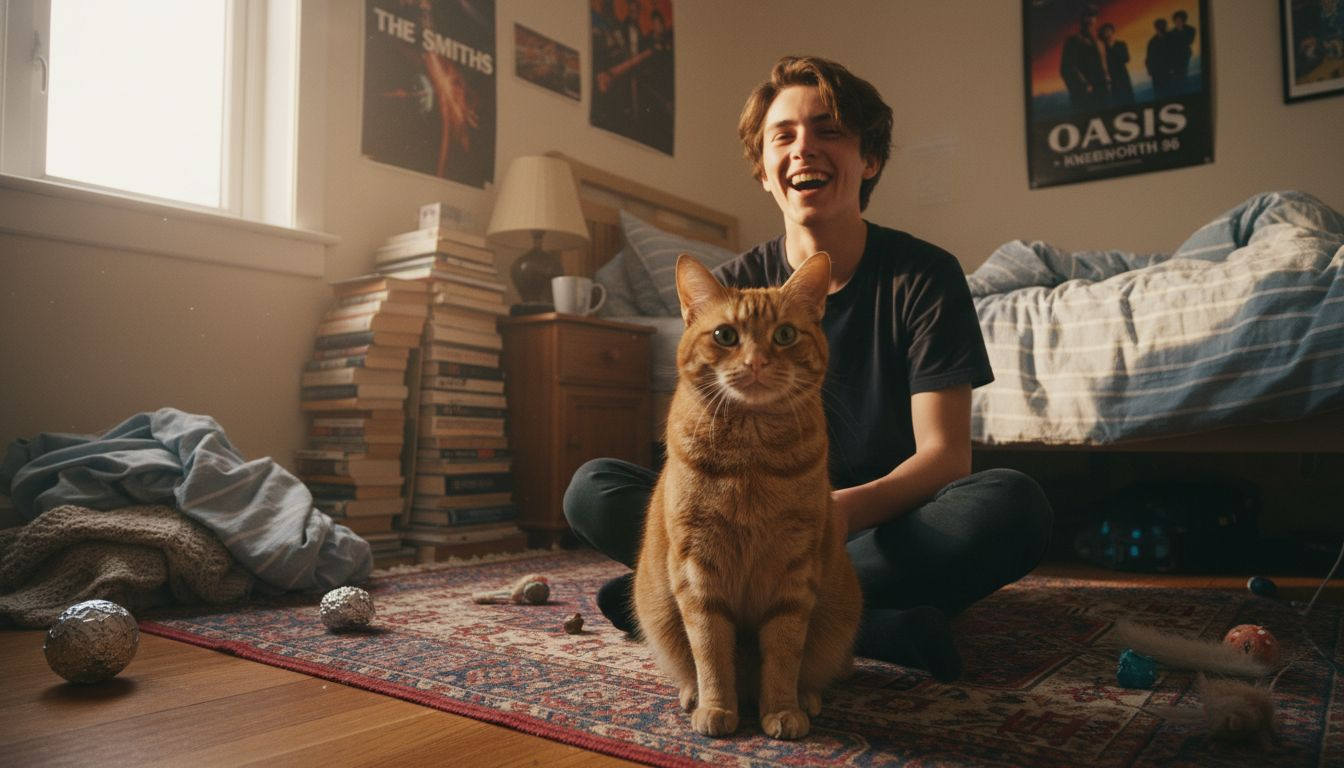
The composition tells a story—perhaps your child with their arm around their beloved cat, or your family gathered with all your pets. The emotional authenticity makes these portraits deeply personal.
Contemporary and mixed media approaches
Diverse portrait styles use various techniques to communicate identity and emotion. Modern expressive portraiture often blends traditional and experimental methods.
Artists might combine:
- Photographic elements with painted details
- Collage with drawing and painting
- Digital art with hand-drawn elements
- Unconventional materials that reflect personality
These hybrid approaches create distinctive, memorable artwork that feels fresh and deeply personal.
Solo pet portraits
Focusing entirely on your pet allows the artist to capture their unique character. Solo expressive portraits of animals emphasise their personality, habits, and emotional presence.
Your dog’s mischievous expression, your cat’s serene contemplation, or your horse’s noble bearing becomes the focal point. Different portrait styles offer distinct interpretations of the same subject, each revealing different aspects of identity.
Expressive portraits succeed because they move beyond mere representation—they celebrate who your subject truly is.
Pro tip: Gather several photographs showing different moods and moments of your subject, then discuss with your artist which mood or personality traits you’d most like the portrait to emphasise.
Here’s how expressive portrait types differ in focus and outcome:
| Portrait Type | Main Focus | Artistic Impact | Typical Subjects |
|---|---|---|---|
| Painted expressive portraits | Emotional depth via paint | Rich mood and texture | Pets, people |
| Pet-human combination portraits | Relationship and connection | Narrative composition | Families, pets with owners |
| Contemporary/mixed media | Identity via technique blend | Unique, personalised statements | Individuals, pets, families |
| Solo pet portraits | Animal’s personality | Highlighted character traits | Dogs, cats, horses |
Key Features: Emotion, Style, and Technique
Expressive portraiture succeeds through three interconnected elements: emotional authenticity, deliberate artistic style, and skilled technical execution. These work together to transform a photograph into meaningful artwork.
Understanding these features helps you communicate your vision to an artist and appreciate what makes an expressive portrait truly special.
Emotion as the foundation
Portraits capture and convey human emotion through artistic choices that go beyond physical likeness. This emotional depth is what separates expressive portraiture from simple documentation.
Emotional elements include:
- The subject’s genuine personality shining through
- Mood conveyed through facial expression and body language
- The relationship or bond being celebrated
- Subtle details that reveal character
- Sensory feeling that resonates with viewers
When commissioning a portrait of your dog, the artist captures not just their appearance but their spirit—their playfulness, gentleness, or mischief.
Style choices matter
Your artist’s style fundamentally shapes how emotion translates to canvas. Colour plays a crucial role in conveying emotion, but style encompasses much more.
Style decisions include:
- Realistic versus impressionistic representation
- How much background detail to include
- Colour palette selection and saturation
- Composition and positioning of subjects
- Overall mood the artwork creates
A bold, colourful style creates energy and vitality. A softer, muted approach conveys intimacy and tenderness. Your preferences should guide these choices.
Technique brings it all together
Expressive drawing techniques reveal emotional truth through how artists apply their medium. Whether using charcoal, paint, or digital tools, technique transforms emotion into visual form.
Key technical elements include:
- Brushwork or mark-making that suggests movement
- Layering and texture that add depth
- Value and contrast that direct attention
- Handling of light to enhance mood
- Precision in areas that matter most
These technical choices determine whether the artwork feels polished, experimental, or somewhere between.
Great expressive portraits balance emotional authenticity with technical skill, creating artwork that moves people and preserves memories beautifully.
Pro tip: When reviewing artist portfolios, notice which pieces stir emotion in you—this indicates their style and technique align with what will resonate most deeply in your own portrait.
How Expressive Portraits Deepen Personal Bonds
Expressive portraits do something remarkable. They transform a moment in time into a lasting celebration of who someone truly is and what they mean to you.
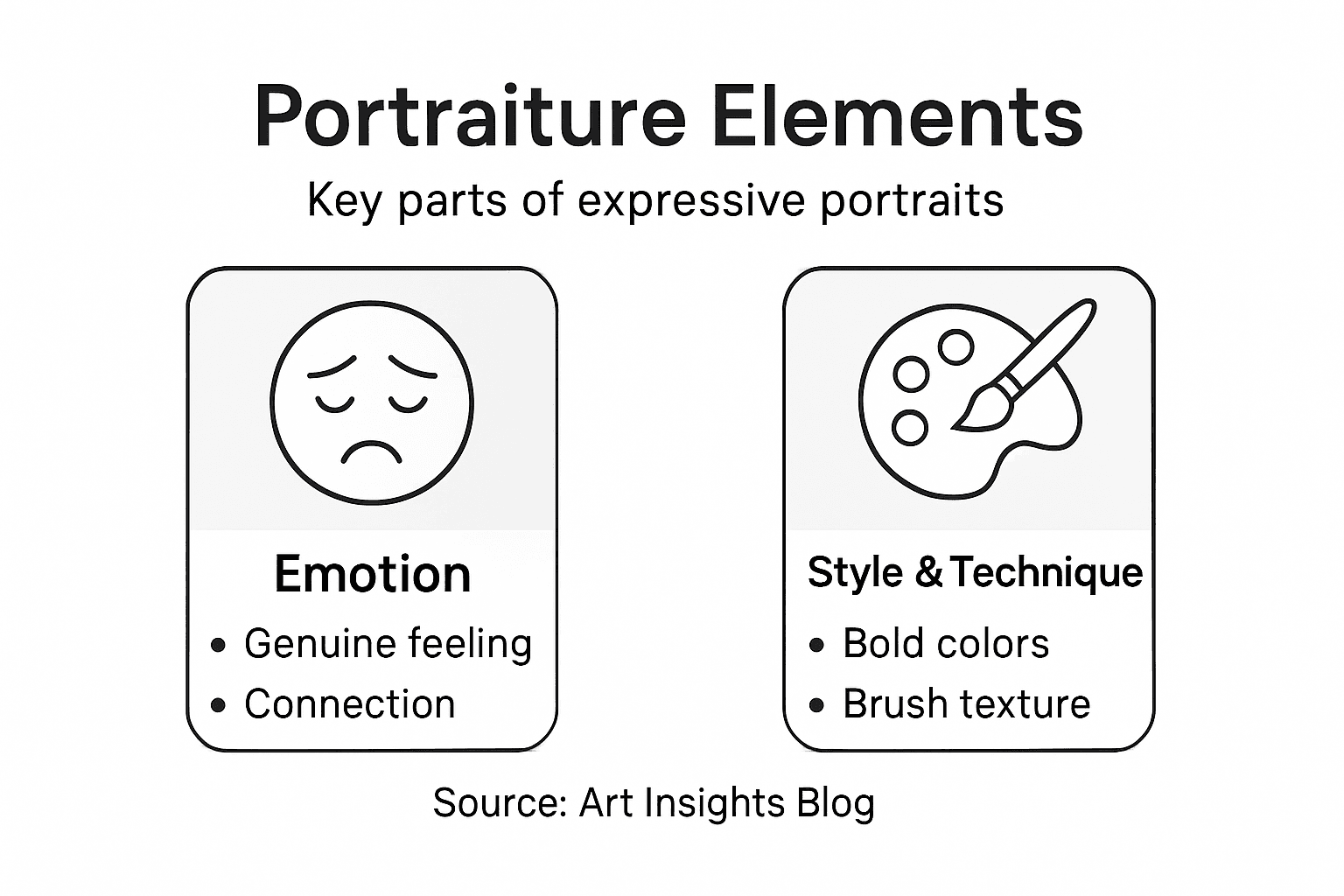
When you commission a portrait, you’re not simply decorating your home. You’re creating a focal point for connection, memory, and shared identity within your family.
Visual anchors for relationships
Portraits create personal and emotional connections by capturing emotional and social identities, not just physical features. Hanging an expressive portrait in your home becomes an ongoing conversation about who your loved ones are.
Expressive portraits serve as:
- Daily reminders of bonds you share
- Starting points for family conversations
- Visual representations of personality and spirit
- Legacies for future generations
- Focal points that draw people together
Your pet’s portrait in the living room becomes more than decoration—it’s a tribute to years of companionship and unconditional love.
Strengthening empathetic connection
Expressive portraits emotionally engage viewers through authentic representation of emotion and identity. This engagement fosters deeper understanding between you and your subject.
When visitors see your family portrait, they don’t just see faces. They sense the warmth, humour, and affection within your relationships. The artwork communicates what words sometimes cannot.
This emotional resonance strengthens bonds by:
- Celebrating what makes each person unique
- Revealing genuine personality and character
- Honouring the relationships between subjects
- Creating pride in your family identity
Living with your story
Telling your portrait story creates meaningful memories that last. Every time you see your portrait, you reconnect with the moment it was created and what it represents.
Children grow up seeing themselves and their pets immortalised in your home. They understand their place within a loved and valued family. Art in family life nurtures bonds by creating shared cultural moments and conversations.
Expressive portraits transform fleeting moments into permanent celebrations of identity, ensuring your most precious bonds are honoured for generations.
Pro tip: Choose a display location where your family naturally gathers—the living room, hallway, or dining area—so the portrait becomes part of daily conversation and connection rather than simply wall decoration.
Top Tips and Common Mistakes to Avoid
Commissioning an expressive portrait requires thoughtful planning. Getting it right means your portrait captures genuine emotion rather than simply recording appearance.
Understanding what works and what doesn’t helps you collaborate effectively with your artist and achieve artwork you’ll treasure for decades.
Tips for successful portraits
Start by choosing the right photographs. Select images that show genuine personality, natural expressions, and authentic moments rather than stiff poses.
Key tips include:
- Provide multiple reference photos from different angles and moods
- Share stories about your subject’s personality and quirks
- Discuss your emotional vision with the artist upfront
- Be specific about style preferences and colour palettes
- Allow the artist creative freedom within your vision
- Communicate openly throughout the process
When commissioning a family portrait with your pets, show your artist photos where genuine interaction and affection shine through.
To help plan a commission, compare these artist-client collaboration approaches:
| Collaboration Aspect | Recommended Approach | Common Mistake | Impact on Final Portrait |
|---|---|---|---|
| Reference images | Multiple, candid moods | Staged or single photo | Authentic or flat expression |
| Emotional briefs | Specific stories or traits shared | Vague or withheld details | Depth or superficial representation |
| Style preferences | Discuss mood and palette | Overly rigid demands | Personalised or generic artwork |
| Creative freedom | Trust artist’s interpretation | Micro-managing process | Lively or stiff final portrait |
Common mistakes to avoid
Overly controlled approaches can neglect emotional essence, resulting in technically skilled but emotionally flat artwork. Trust your artist’s creative interpretation.
Avoid these pitfalls:
- Demanding photographic accuracy at the expense of emotion
- Choosing formal, staged photographs lacking personality
- Being vague about what matters most to you
- Requesting constant changes without clear direction
- Ignoring the artist’s professional recommendations
- Selecting unflat lighting in reference photos
Your artist needs creative space to translate emotion onto canvas. Over-controlling the process produces stiff results rather than authentic expression.
Photography and preparation
Working from quality reference material unlocks emotional depth in expressive portraiture. Good preparation means better outcomes.
Before commissioning, gather essential photography tips if photographing your subjects yourself. Natural lighting works best. Capture candid moments rather than forced smiles.
Successful expressive portraits balance clear communication about your vision with genuine trust in your artist’s creative expertise.
Pro tip: Share a mood board or Pinterest collection showing portrait styles and moods that resonate with you, rather than micro-managing individual features—this guides your artist whilst preserving their interpretive freedom.
Capture the True Spirit of Your Loved Ones with Expressive Portraits
Emotion and personal connection lie at the heart of expressive portraiture. If you seek to celebrate not just the appearance but the unique personality and bonds you share with your pet or family member, a custom portrait is the perfect solution. Our artists specialise in bringing those intangible qualities to life, creating rich, heartfelt artwork that honours identity and relationship.
Explore our collection of Dog Portraits or Cat Portraits to find styles that resonate with your vision. Start your journey today by visiting The Family Portrait Company to commission a truly expressive portrait that will strengthen your family bonds and become a treasured legacy for years to come.
Frequently Asked Questions
What is expressive portraiture?
Expressive portraiture is an artistic approach that goes beyond merely capturing a person’s physical appearance. It focuses on revealing the emotional depth and unique personality of the subject, highlighting their inner spirit and connections.
How are expressive portraits different from traditional portraits?
While traditional portraits focus on accuracy and physical resemblance, expressive portraits prioritise emotional authenticity and the distinct personality of the subject, resulting in artworks that convey deeper feelings and connections.
What types of subjects can be captured in expressive portraiture?
Expressive portraiture can celebrate a variety of subjects, including individuals, families, and pets. The focus is on showcasing their unique personalities and the bonds shared among them.
How can I help my artist create a meaningful expressive portrait?
To assist your artist, provide multiple reference photos that reflect your subject’s genuine personality. Share stories or memorable moments that capture their essence, and clearly communicate your emotional vision and style preferences.
Recommended
- How to Tell Your Portrait Story for Meaningful Memories – The Family Portrait Companys
- Benefits of Art in Family Life: Nurturing Bonds and Growth – The Family Portrait Companys
- Pet-Human Combo Portraits: Celebrating Bonds at Home – The Family Portrait Companys
- Understanding Family Traditions with Portraits – The Family Portrait Companys