
Benefits of Art in Family Life: Nurturing Bonds and Growth
Every british household, whether nestled in the countryside or bustling in the city, seeks ways to nurture lasting family bonds. Studies show that families who engage in artistic activities together report stronger emotional connections and greater happiness. Art offers far more than decoration. It becomes a language for emotional expression, healthy communication, and shared growth. Discover how creative practices can transform your family life, fostering deep connections and meaningful memories for every generation.
Table of Contents
- Defining Art’s Role In Family Life
- Forms Of Artistic Expression At Home
- Emotional And Developmental Benefits For All Ages
- Strengthening Bonds Through Shared Creativity
- Incorporating Portraiture And Personal Art
Key Takeaways
| Point | Details |
|---|---|
| Art Facilitates Emotional Bonds | Engaging in artistic activities creates a unique language for families to communicate and connect deeply, enhancing emotional understanding. |
| Diverse Artistic Expressions Matter | Families can explore a range of creative activities that encourage bonding, from traditional crafts to digital art, fostering an inclusive environment. |
| Developmental Benefits Across Ages | Artistic engagement nurtures emotional intelligence and cognitive skills for all ages, supporting personal growth and familial connections. |
| Shared Creativity Enhances Relationships | Collaborative projects allow family members to negotiate and appreciate each other’s perspectives, creating lasting memories and strengthening ties. |
Defining Art’s Role in Family Life
Art transcends mere aesthetic expression, emerging as a powerful medium for family connection and personal growth. Within the familial ecosystem, art serves as more than a creative outlet - it becomes a dynamic language of emotional communication, understanding, and shared experience. Understanding family story art reveals how creative practices can transform ordinary interactions into meaningful moments of bonding.
At its core, art in family life functions as a multifaceted tool for emotional exploration and interpersonal development. When families engage in artistic activities together, they create shared narratives that strengthen relationships and provide unique pathways for self-expression. Children learn complex emotional intelligence through collaborative creative processes, while parents discover new dimensions of connection beyond verbal communication. The essential guide to art in family traditions highlights how these creative interactions become rituals that bind generations together.
The role of art extends far beyond simple entertainment or skill development. It becomes a profound mechanism for emotional regulation, personal growth, and familial understanding. Through painting, drawing, crafting, or collaborative projects, family members learn critical life skills such as patience, empathy, active listening, and mutual respect. Artistic endeavours provide a safe, non-threatening environment where individuals can express complex emotions, work through challenges, and celebrate collective achievements. By integrating creative practices into family life, households transform into nurturing ecosystems of emotional intelligence and shared creativity.
Forms of Artistic Expression at Home
Artistic expression within the home environment encompasses a diverse range of creative activities that can transform ordinary family interactions into extraordinary bonding experiences. Family art activities provide unique opportunities for shared exploration, learning, and emotional connection. From traditional mediums like painting and drawing to more innovative approaches, families can discover numerous ways to engage creatively together.
The spectrum of artistic expression includes both structured and spontaneous activities. Collaborative projects such as group murals, family scrapbooking, and collective storytelling through visual art offer dynamic platforms for communication. Families might explore painting techniques together, create personalised craft projects, or experiment with digital art forms that allow multiple generations to contribute. Drawing, sketching, and mixed media work provide accessible entry points for individuals of varying skill levels, ensuring that artistic engagement remains inclusive and enjoyable.
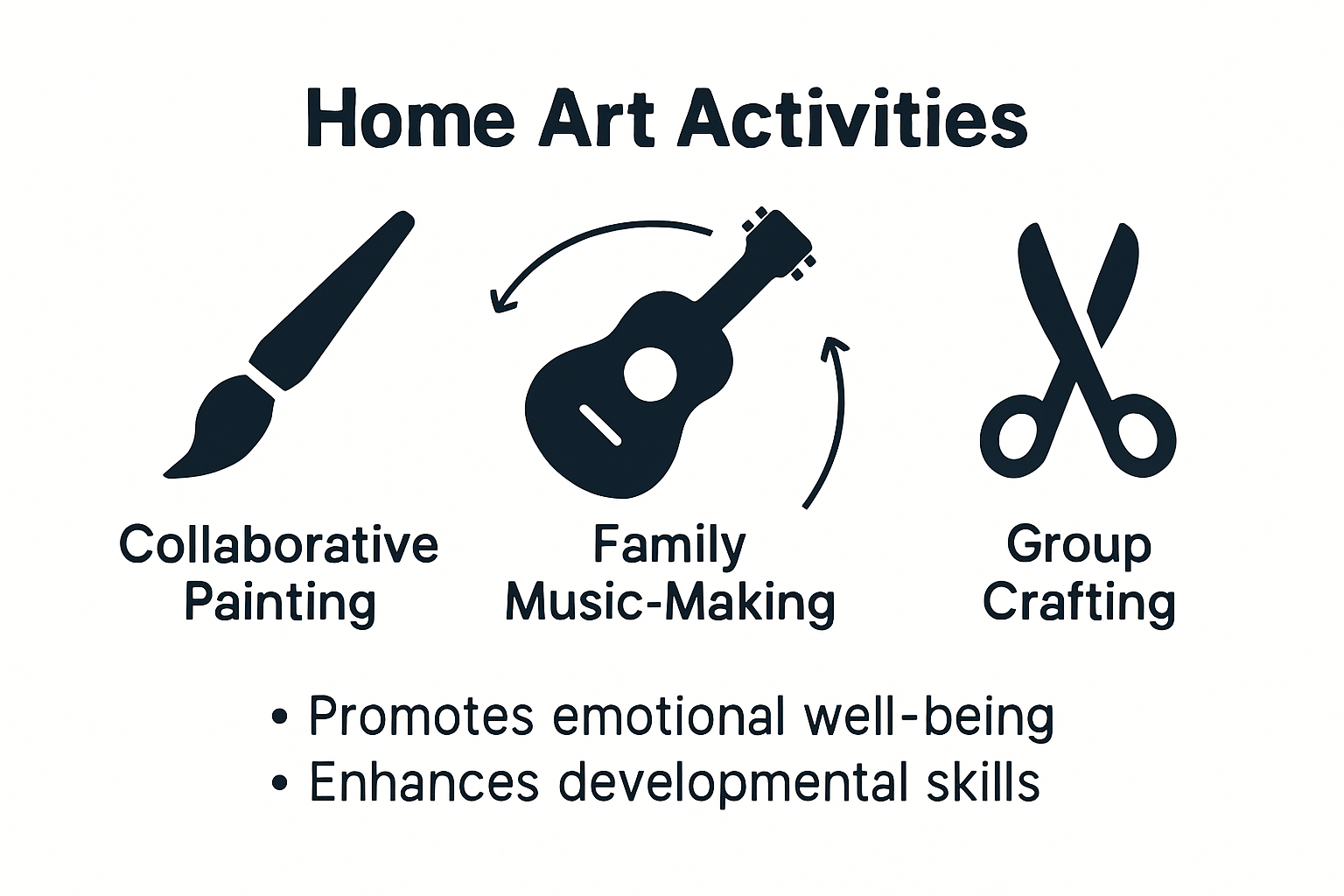
Beyond traditional visual arts, families can also explore performative and multimedia artistic expressions. Musical collaborations, drama improvisation, photography projects, and even digital art creation using shared tablets or computers can become meaningful bonding experiences. These creative endeavours not only develop artistic skills but also enhance communication, build emotional intelligence, and create lasting memories. By embracing diverse artistic forms, families can transform their home into a vibrant, creative ecosystem where individual talents are celebrated and collective imagination thrives.
Emotional and Developmental Benefits for All Ages
Artistic engagement offers profound emotional and developmental advantages that transcend age boundaries, creating transformative experiences for every family member. Research on children’s arts abilities demonstrates that consistent creative participation can significantly enhance psychological well-being, self-esteem, and behavioural regulation. From young children to grandparents, art provides a unique language for emotional exploration and personal growth.
Young children particularly benefit from artistic experiences, developing crucial cognitive and emotional skills through creative expression. Drawing, painting, and crafting help children improve fine motor skills, spatial reasoning, and emotional intelligence. Adolescents can use art as a powerful mechanism for self-discovery, processing complex emotions, and building confidence. Art’s healing power becomes especially significant during challenging developmental stages, offering a safe, non-judgmental space for personal exploration.
For adults and seniors, artistic engagement provides equally compelling developmental benefits. Creative activities can reduce stress, enhance cognitive flexibility, and create opportunities for intergenerational connection. Participating in shared artistic projects helps maintain mental acuity, provides emotional release, and strengthens familial bonds. Whether through painting, photography, or collaborative crafting, art becomes a powerful tool for maintaining psychological resilience, promoting communication, and celebrating individual and collective creativity across different life stages.
Strengthening Bonds Through Shared Creativity
Shared creativity represents a profound mechanism for deepening familial connections, transforming ordinary interactions into extraordinary moments of mutual understanding and emotional resonance. Parent-child art therapy groups demonstrate how collaborative artistic experiences can dramatically improve communication and strengthen relational dynamics across generations. These creative encounters provide unique opportunities for family members to interact beyond traditional verbal communication, revealing deeper emotional landscapes.
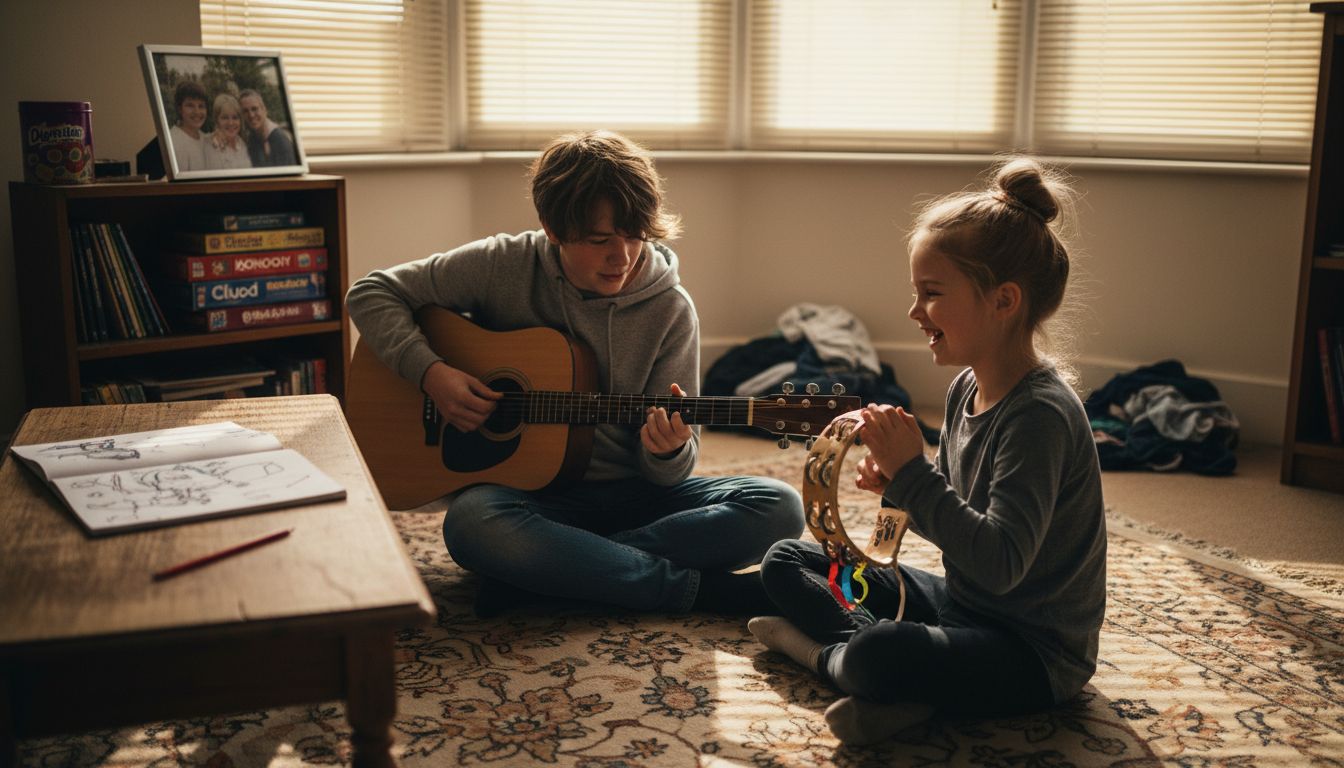
Artistic collaboration offers multiple pathways for building intimacy and understanding. Families engaging in joint creative projects learn to negotiate, compromise, and appreciate individual perspectives while working towards a collective goal. Whether constructing a family mural, designing a shared photo album, or participating in craft workshops, these experiences create shared narratives that transcend individual experiences. Participatory arts research highlights how these interactions promote reciprocal relationships, encouraging empathy, active listening, and mutual respect.
The power of shared creativity extends beyond immediate familial interactions, creating lasting memories and reinforcing emotional connections. These collaborative artistic experiences become cherished family rituals, generating stories that can be revisited and celebrated across generations. By creating together, families develop a unique language of connection that celebrates individual creativity while simultaneously strengthening collective bonds, transforming artistic expression into a powerful tool for emotional intimacy and mutual understanding.
Incorporating Portraiture and Personal Art
Portraiture represents a deeply personal and meaningful form of artistic expression that transforms family memories into enduring visual narratives. Home-based art interventions demonstrate how creating personalised artwork can significantly enhance familial connections and emotional well-being. Custom portraits offer families a unique opportunity to capture individual personalities, celebrate relationships, and create lasting keepsakes that transcend traditional photography.
Custom portraiture techniques enable families to explore multiple artistic approaches, from traditional painting and sketching to digital and mixed-media representations. Families might engage in collaborative portrait sessions, where each member contributes to creating a collective artistic representation. Life drawing workshops and family art projects provide interactive experiences that encourage observation, empathy, and creative interpretation. These activities not only produce meaningful artwork but also create shared experiences that strengthen familial bonds.
Beyond visual representation, personal art allows families to express emotions, document personal journeys, and preserve unique moments in creative ways. Whether through detailed family portraits, abstract representations of shared experiences, or collaborative mixed-media projects, these artistic endeavours become powerful tools for storytelling and emotional connection. By valuing individual creativity while celebrating collective experiences, families can transform personal art into a dynamic language of love, memory, and mutual understanding.
Capture Your Family’s Creative Bond with Custom Portraits
The article highlights how art nurtures emotional connections and strengthens family bonds through shared creative experiences. If your family yearns to celebrate these special moments and create a lasting legacy, personalised artwork offers a meaningful solution. Custom pet and human portraits transform precious memories into timeless visual stories that foster empathy, emotional understanding, and mutual respect.
Discover the power of personalised art by visiting Family Portrait Company. Explore how custom portraiture techniques can turn your unique family narratives into expressive art pieces that celebrate each member’s individuality and the collective family spirit. Embrace this opportunity to deepen bonds through creativity and bring your family’s story to life. Start your journey to meaningful family art today at Family Portrait Company.
Frequently Asked Questions
What are the emotional benefits of engaging in art as a family?
Art fosters emotional exploration and connection within families, promoting empathy, active listening, and mutual respect. Collaborative artistic experiences can help family members navigate complex emotions and enhance overall emotional intelligence.
How can families incorporate art into their daily routines?
Families can integrate art into their daily lives through simple activities like drawing, painting, crafting, or even engaging in joint storytelling. These creative practices can become rituals that strengthen relationships and enhance communication.
What types of artistic activities are suitable for all ages in a family setting?
Artistic activities such as drawing, painting, family scrapbooking, and digital art creation are accessible for all ages. These activities allow family members of varying skill levels to participate and contribute creatively.
How can portraiture contribute to family bonding?
Portraiture provides a unique way for families to express emotions and celebrate individual personalities. Creating personalised artwork together results in cherished keepsakes that reinforce connections and create lasting memories.
Recommended
- The Essential Guide to Art in Family Traditions – The Family Portrait Companys
- 7 Creative Family Bonding Art Activities to Try Together – The Family Portrait Companys
- What is Family Story Art? Understanding Its Significance – The Family Portrait Companys
- History of Family Portraits: Complete Guide for Families – The Family Portrait Companys
- How to Deal With Parenting Conflicts