
What Influences Portrait Style for Family Art
Over 80 percent of British families selecting custom portraits cite personal meaning as their top priority. Choosing a portrait style is not just about looks, but about expressing your pet’s or loved one’s unique story. From classical oil painting to modern digital art, every style offers a different way to celebrate personality and atmosphere in your home. Discover how thoughtful choices in composition and technique transform ordinary portraits into cherished British family treasures.
Table of Contents
- Defining Portrait Style In Custom Art
- Types Of Portrait Styles Explained
- Key Attributes That Shape Portrait Art
- Role Of Artist And Owner Collaboration
- Matching Portrait Style To Your Space
- Common Mistakes In Choosing A Style
Key Takeaways
| Point | Details |
|---|---|
| Understanding Portrait Styles is Essential | Different styles convey unique emotional narratives, focusing on aspects like technique, colour, and composition. |
| Collaboration Enhances Art | Engaging collaboratively with the artist ensures that the portrait reflects personal identity more deeply. |
| Consideration of Space is Key | Matching the portrait style to the interior environment maximises its visual and emotional impact. |
| Avoid Common Pitfalls | Selecting a style that aligns with the subject’s true character prevents emotional disconnect in the artwork. |
Defining Portrait Style in Custom Art
Portrait style represents a nuanced artistic expression that goes far beyond mere visual representation. Portrait styles capture the essence of human identity, reflecting not just physical appearance but profound emotional and psychological dimensions. Artists employ various techniques to communicate deeper narratives about their subjects, transforming a simple image into a complex storytelling medium.
Understanding portrait style involves analysing multiple artistic elements. These include composition, colour palette, brush technique, and the artist’s intentional approach to representing the subject. Artists use formal elements like line, texture, and spatial arrangement to convey mood, personality, and underlying emotional states. A portrait might range from hyperrealistic depictions that capture minute details to abstract representations that suggest inner emotional landscapes.
Custom art portraiture offers remarkable diversity in stylistic approaches. Styles can span traditional realistic representations to contemporary interpretations that challenge conventional portraiture norms. Some artists focus on precise anatomical accuracy, while others prioritise emotional resonance, using colour, texture, and symbolic elements to communicate the subject’s inner world. The chosen medium—whether oil painting, digital art, watercolour, or mixed media—also significantly influences the portrait’s overall style and emotional impact.
Pro tip: When commissioning a custom portrait, discuss the artist’s stylistic approach and explore how different techniques might capture your subject’s unique essence more powerfully than a straightforward photographic reproduction.
Types of Portrait Styles Explained
Portrait styles represent a fascinating spectrum of artistic expression, ranging from photographic to painted representations. Traditional styles typically include formal studio portraits, candid lifestyle captures, and more interpretative artistic renderings. Each approach offers a unique perspective on capturing human essence, whether through precise detail or emotional interpretation.
Traditional Portraiture Styles include several distinct categories. Classical painted portraits often emphasise formal posing and meticulous detail, showcasing the subject’s social status and personal characteristics. Artistic portrait techniques encompass various approaches like realism, impressionism, and abstract representations. Photographic styles range from formal studio shots with carefully controlled lighting to spontaneous documentary-style images that capture genuine moments and raw emotional states.
Contemporary portraiture has expanded dramatically, embracing digital technologies and experimental techniques. Modern artists might combine multiple mediums, use digital manipulation, or create portraits that challenge traditional visual representation. Styles can include hyperrealistic digital paintings, minimalist line drawings, mixed media collages, and conceptual interpretations that explore identity beyond physical appearance. The chosen medium—whether watercolour, oil painting, digital art, or photography—dramatically influences the portrait’s emotional and visual impact.
Pro tip: When selecting a portrait style, consider how different artistic approaches can reveal deeper aspects of personality beyond conventional visual representation.
Here is a comparison of traditional and contemporary portrait styles to help clarify their distinctive qualities:
| Aspect | Traditional Styles | Contemporary Styles |
|---|---|---|
| Focus | Realistic representation, status | Emotional depth, experimentation |
| Techniques | Oil painting, careful detail | Mixed media, digital manipulation |
| Typical Subjects | Formal, posed sitters | Expressive, conceptual individuals |
| Visual Impact | Classic, timeless appeal | Innovative, often abstract |
| Mediums | Oils, watercolours, photography | Digital art, collage, line drawing |
Key Attributes That Shape Portrait Art
Portrait art emerges from a complex interplay of artistic elements that transform a simple image into a profound narrative. Artists carefully select compositional attributes that communicate deeper meanings about the subject’s identity, personality, and emotional landscape. These attributes go beyond mere visual representation, serving as a sophisticated language of visual storytelling.
Critical attributes that shape portrait art include the choice of medium, artistic technique, and interpretative approach. Traditional portraits often emphasised formal posing and precise detail, reflecting social status and personal characteristics. Contemporary approaches have expanded this palette, embracing diverse techniques that range from hyperrealistic renderings to abstract conceptual representations. The artist’s intentional use of colour, line, texture, and spatial arrangement becomes a powerful mechanism for expressing nuanced emotional states and personal narratives.
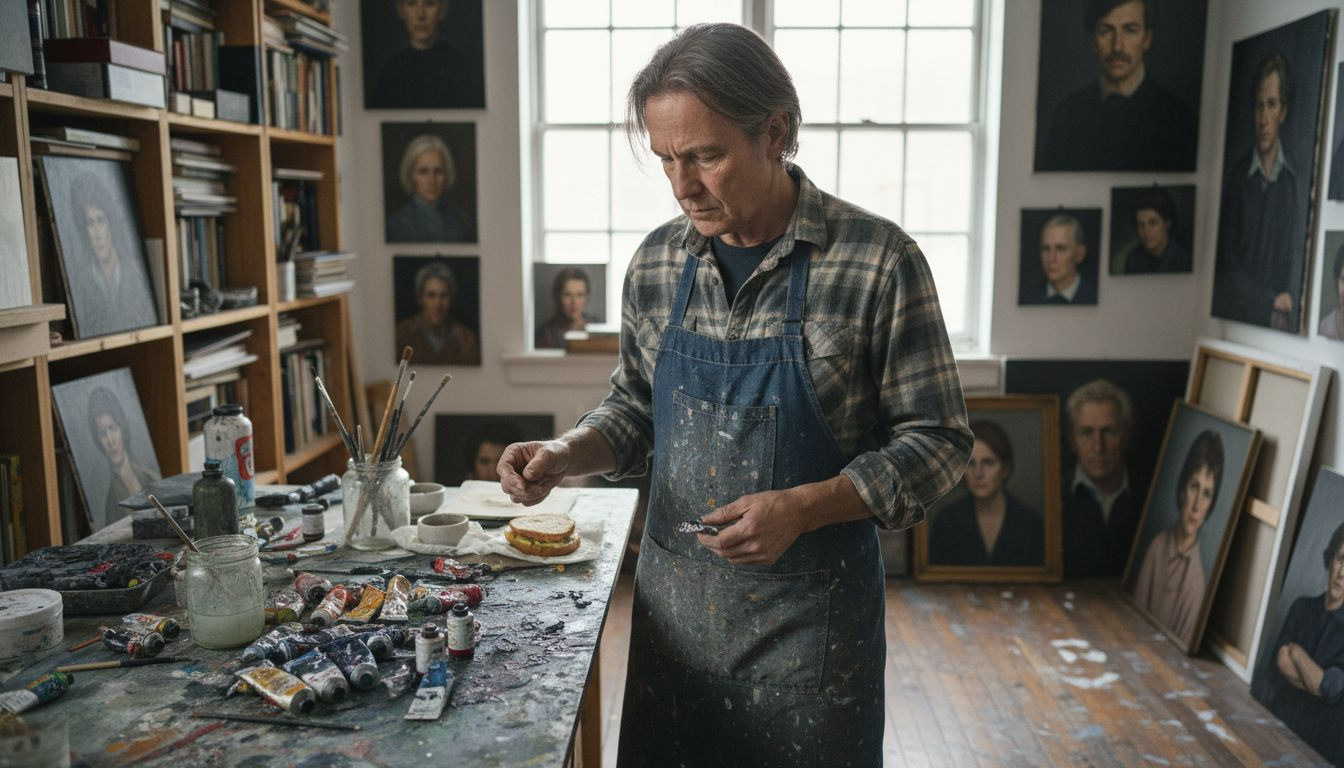
The sitter’s own presence profoundly influences portrait style, with their pose, expression, and underlying personality interacting dynamically with the artist’s creative vision. Cultural context, historical period, and individual artistic philosophy also play significant roles in shaping how portraits are conceived and executed. Some artists prioritise literal representation, while others use symbolic elements and creative manipulation to reveal deeper psychological dimensions that transcend physical appearance.
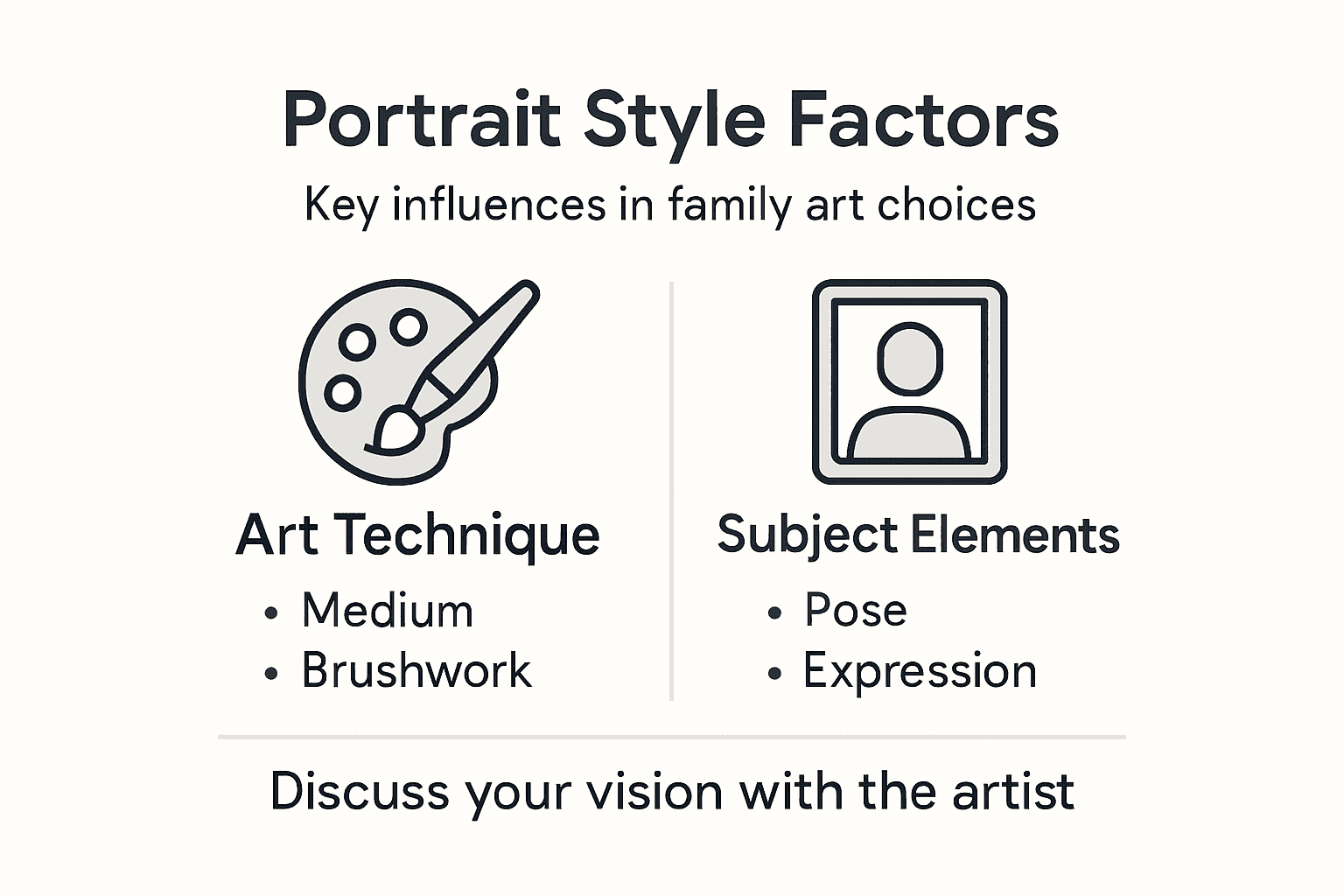
Pro tip: When commissioning a portrait, engage in detailed discussions with the artist about your vision, allowing their unique interpretative skills to capture the most meaningful essence of your subject.
Role of Artist and Owner Collaboration
Portrait creation is fundamentally a collaborative journey, where shared artistic intentions shape the final artwork. This collaborative process transforms a simple commission into a meaningful dialogue between the artist and the portrait’s owner, where personal narratives, emotional landscapes, and visual storytelling intersect. Unlike traditional commissioned works, modern portrait art emphasises mutual understanding and shared creative vision.
The collaboration typically involves multiple critical stages of interaction. Initial consultations allow the owner to communicate personal context, emotional significance, and specific preferences. Artists listen carefully, interpreting these insights through their creative lens. They might discuss preferred visual styles, symbolic elements, colour palettes, and the emotional tone desired. Some artists incorporate personal artefacts, photographs, or meaningful background details that reflect the subject’s unique identity, creating a portrait that transcends mere physical representation.
Modern collaborative practices have expanded the traditional boundaries of portrait creation. Socially engaged artistic practices now encourage more participatory approaches, where the subject or owner becomes an active contributor to the artistic process. This might involve multiple sketch reviews, discussing symbolic representations, or even collaborative decision-making about compositional elements. The result is a more nuanced, personally resonant artwork that reflects both the artist’s skill and the owner’s intimate understanding of the subject.
Pro tip: Approach your portrait commission as a creative partnership, being open and communicative about your vision while remaining receptive to the artist’s professional expertise and creative interpretation.
Matching Portrait Style to Your Space
Selecting the ideal portrait style requires a thoughtful approach to harmonising artwork with your interior environment. Portrait style fundamentally impacts room aesthetics, creating a visual dialogue between the artwork and surrounding decor. The right portrait can transform a space, acting as a focal point that enhances the room’s character while reflecting personal narrative and emotional depth.
Consider the room’s existing colour palette, architectural elements, and overall design philosophy when choosing a portrait style. Modern minimalist spaces might benefit from clean, geometric portrait styles with neutral colour schemes, while traditional interiors could accommodate more ornate, detailed representations. The artwork’s size, frame, and visual complexity should complement the room’s scale and existing design elements. Factors like lighting, wall texture, and furniture arrangement play crucial roles in determining how seamlessly a portrait integrates into the space.
Different portrait mediums offer unique aesthetic possibilities for various interior settings. Watercolour portraits can introduce soft, ethereal qualities to contemporary spaces, while oil paintings might provide rich, dramatic statements in more classic environments. Digital art offers flexibility in colour manipulation and stylistic interpretation, allowing for precise customisation to match specific interior design requirements. Technical aspects of portrait materiality significantly influence how the artwork interacts with its surrounding environment, making material choice as important as the portrait’s subject.
Pro tip: Before finalising a portrait, create a digital mockup or use painter’s tape to outline the artwork’s potential placement, helping you visualise how the piece will truly interact with your space.
Below is a summary of key factors to consider when matching portrait style to your space:
| Consideration | Why It Matters | Example Impact |
|---|---|---|
| Colour Palette | Ensures harmony with existing decor | Neutral rooms suit muted portraits |
| Artwork Size | Balances visual weight in the room | Large portraits suit big walls |
| Medium Choice | Influences mood and atmosphere | Watercolour feels airy, oils are dramatic |
| Lighting | Affects how colours and texture appear | Direct sunlight can fade delicate media |
Common Mistakes in Choosing a Style
Selecting a portrait style is a nuanced process fraught with potential pitfalls that can compromise the artwork’s emotional and visual impact. Portrait selection requires careful consideration of multiple interconnected factors beyond simple aesthetic preferences. Many individuals unknowingly make critical errors that diminish the portrait’s potential to capture genuine personality and create meaningful representation.
One primary mistake involves choosing a style that fails to reflect the subject’s authentic character. Clients often select trendy or technically impressive styles without considering how well the approach genuinely communicates the individual’s essence. For instance, a highly formal, structured style might feel incongruous for a free-spirited personality, while an abstract representation could feel inappropriate for someone who values traditional presentation. The disconnect between artistic technique and personal identity can result in a portrait that feels emotionally distant or misrepresentative.
Technical considerations represent another significant area of potential misjudgement. Historical understanding of portrait materials reveals that medium selection profoundly impacts artwork perception. Inexperienced commissioners frequently overlook critical factors such as lighting conditions, wall texture, and spatial context when selecting portrait styles. Digital illustrations might appear flat in traditional settings, while oil paintings could overwhelm minimalist environments. Understanding how different artistic mediums interact with physical spaces is crucial to creating a harmonious visual experience.
Pro tip: Request multiple style sketches from your artist and view them in your actual living space using digital mockups or physical printouts to truly understand how the portrait will integrate with your environment.
Find the Perfect Portrait Style for Your Family Art with Us
Choosing the right portrait style to truly capture your family’s essence can be a challenging journey. This article highlights common pitfalls like mismatched emotional tones and unsuitable mediums that might leave your portrait feeling distant or out of place. At The Family Portrait Company, we understand how important it is to harmonise portrait style with your unique story and living space. Our customised portraits, whether vivid digital artwork or classic oil-inspired renderings, ensure your family’s personality shines through every brushstroke and colour choice.
Don’t settle for less when it comes to preserving your cherished memories. Explore our custom pet and human portraits that blend artistic skill with personal collaboration for a meaningful keepsake. Visit our home page now and start a creative partnership that brings your vision to life perfectly and promptly.
Frequently Asked Questions
What factors influence the choice of portrait style for family art?
Several factors influence the choice of portrait style for family art, including personal taste, the intended emotional impact, and the setting where the artwork will be displayed. Additionally, the subject’s personality and the desired artistic technique, such as realism or abstraction, also play crucial roles in determining the style.
How do traditional and contemporary portrait styles differ in family art?
Traditional portrait styles typically focus on realistic representation and formal posing, often conveying social status and personal characteristics. In contrast, contemporary styles may embrace mixed media, digital manipulation, and experimental techniques, focusing more on emotional depth and conceptual interpretations of the subject’s identity.
What should I consider when commissioning a family portrait?
When commissioning a family portrait, consider discussing the artist’s stylistic approach, the emotional tone you wish to convey, and any personal elements you’d like to include. It’s also important to think about how the portrait will complement your home decor and personal aesthetic preferences.
Can different mediums affect the overall portrait style?
Yes, different mediums such as oil painting, watercolour, and digital art can significantly affect the overall portrait style. Each medium offers unique qualities that can influence the emotional and visual impact of the portrait, making the choice of medium a critical consideration when creating family art.
Recommended
- History of Family Portraits: Complete Guide for Families – The Family Portrait Companys
- Commissioning a Family Portrait: Your Complete Guide – The Family Portrait Companys
- Role of Photography in Portraits: Capturing True Character – The Family Portrait Companys
- The Essential Guide to Art in Family Traditions – The Family Portrait Companys
- Best 4K Cameras: Compare Features & Specs – Safes and Security Direct
- 7 Inspiring Home Decor Fabric Ideas for Every Style - fabric fabric