

Role of Pets in Family Portraits: Celebrating Connection
Every family knows that pets have a knack for stealing the spotlight during everyday moments, turning an ordinary gathering into a memory worth treasuring. For British families, the presence of a beloved dog or cat has shifted from background character to integral member of the household, shaping not only routines but the very heart of family stories. This guide offers practical inspiration for weaving your animal companions into creative custom portraits, ensuring treasured memories reflect every paw and personality.
Table of Contents
- Defining Pets’ Place In Family Portraits
- Types Of Pets And Creative Representation
- Emotional Impact On Family Memories
- Practical Tips For Including Pets Safely
- Common Challenges And How To Overcome Them
Key Takeaways
| Point | Details |
|---|---|
| Emotional Bonds with Pets | Pets are increasingly seen as integral family members, shaping emotional landscapes and creating lasting memories. |
| Creative Representation | Modern portraits highlight the unique personalities of pets, capturing their role in family narratives beyond traditional norms. |
| Inclusion Techniques | Families should consider pet comfort and behaviour during photoshoots, using familiar objects to create a relaxed atmosphere. |
| Challenges and Solutions | Anticipating common challenges in pet photography can lead to smoother sessions; employing strategic techniques and equipment is essential. |
Defining Pets’ Place in Family Portraits
Pets have transformed from mere animals to cherished family members, fundamentally reshaping how we understand familial connections. Shifting perspectives on companion animals reveal a profound evolution in their social status, particularly in British households. Where once animals served functional purposes, they now occupy emotional spaces within family units.
The historical trajectory of pets in family portraiture demonstrates their growing significance. Since the Victorian era, dogs and other companion animals have transitioned from peripheral figures to central characters in family narratives. Symbolic representations in family portraits now communicate deeper emotional connections, revealing personality traits, relationships, and familial dynamics through their presence.
Modern family portraits increasingly recognise pets as integral members, not mere accessories. These images capture unconditional love, playful interactions, and the unique bonds that transcend traditional human-animal boundaries. By including pets, families create visual stories that represent their complete emotional landscape - showcasing companionship, shared experiences, and the genuine connections that define contemporary family life.
Pro tip: When planning a family portrait, involve your pet during the initial consultation to ensure their personality and relationship with the family are authentically captured.
Types of Pets and Creative Representation
Historical pet photography techniques reveal fascinating insights into how different animal companions have been visually represented in family portraits. While dogs and cats remain the most prevalent subjects, the creative spectrum of pet portraiture has expanded significantly, embracing a diverse range of animal companions that reflect modern family dynamics.
Traditional portraits predominantly featured domesticated animals with predictable temperaments, but contemporary approaches celebrate the unique personalities of various pets. From loyal canines and affectionate felines to more unconventional companions like rabbits, birds, reptiles, and even miniature farm animals, families now seek to capture the distinctive character of their chosen animal companions. This inclusivity demonstrates how pets transcend traditional categorisation, becoming integral emotional members of the household.
The creative representation of pets in family portraits has evolved beyond mere documentation. Modern photographers employ innovative techniques to showcase animal personalities - capturing playful moments, quiet intimacies, and the profound connections between humans and their animal companions. Unique pet portrait styles now range from classic studio compositions to dynamic outdoor settings, each designed to highlight the individual spirit of the animal and its relationship with the family.
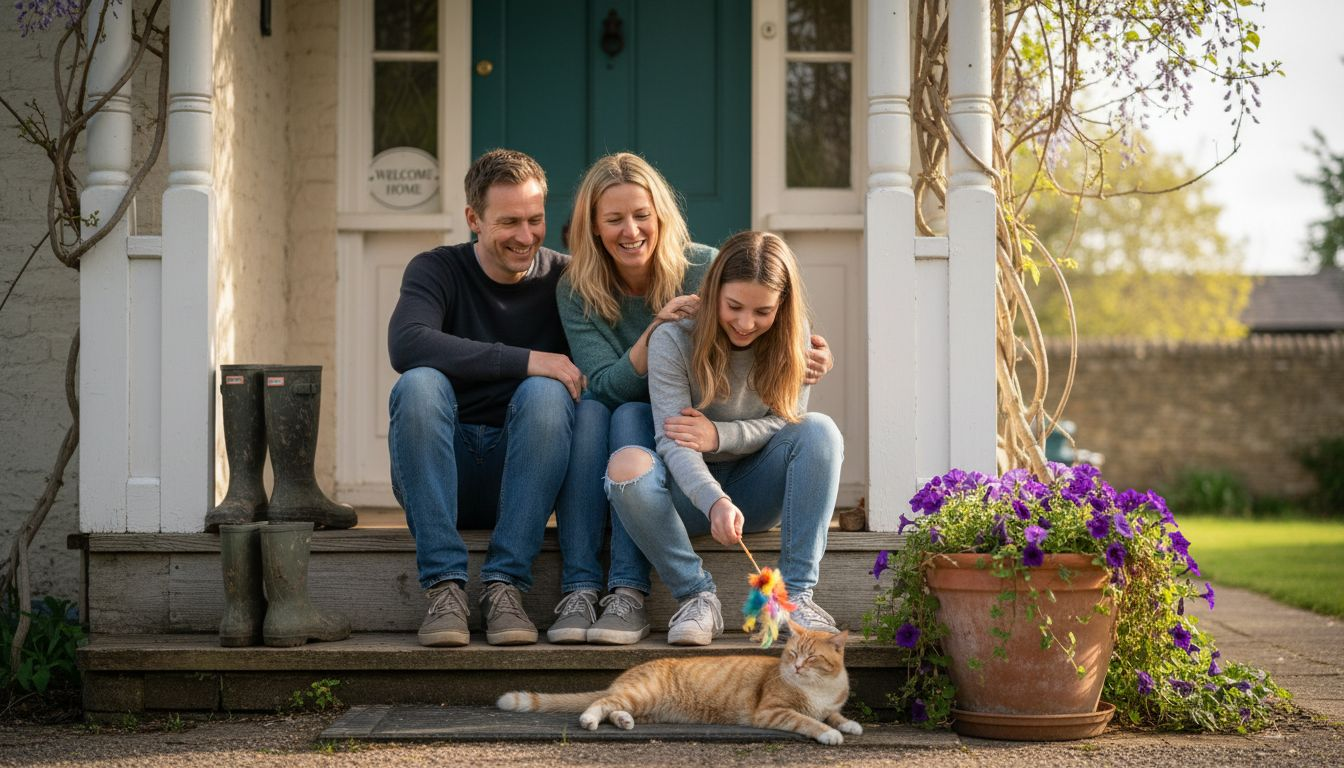
Here’s a summary of common pet types in portraits and their unique representation styles:
| Pet Type | Distinctive Features in Portraits | Common Representation Methods |
|---|---|---|
| Dog | Express loyalty, playfulness | Studio or outdoor action shots |
| Cat | Highlight independence, affection | Intimate indoor poses |
| Rabbit | Show gentleness, curiosity | Whimsical, natural settings |
| Bird | Illustrate vibrancy, freedom | Perched or interactive scenes |
| Reptile | Emphasise uniqueness, calm | Close-ups or held by owners |
| Miniature Farm Animal | Capture novelty, charm | Outdoor, lifestyle themes |
Pro tip: Consider bringing your pet’s favourite toy or treats to the photoshoot to help capture their most authentic and engaging personality.
Emotional Impact on Family Memories
Pets in family dynamics represent far more than simple companionship, emerging as profound emotional anchors that deeply shape family memory landscapes. These animal companions weave intricate emotional threads through family narratives, capturing moments of joy, comfort, and unconditional love that transcend traditional understanding of familial relationships.
Emotional investments in pets mirror the depth of human connections, with research revealing that many individuals perceive their animal companions as integral family members. Emotional bonds with pets particularly intensify during significant life transitions, such as children departing home or navigating challenging personal circumstances. These relationships provide consistent emotional support, creating a unique form of memory preservation that captures nuanced familial experiences.
Family portraits featuring pets become powerful emotional archives, documenting not just visual representations but the intricate emotional landscapes of households. These images capture moments of playfulness, quiet companionship, and the unspoken understanding between humans and their animal companions. The visual narrative extends beyond mere documentation, representing complex emotional bonds that evolve and deepen throughout shared life experiences.
Pro tip: Create a dedicated memory album specifically for pet-inclusive family photographs to chronicle the emotional journey and cherished moments with your animal companions.
Practical Tips for Including Pets Safely
Pet photography techniques require careful preparation and understanding of animal behavior to ensure a safe and comfortable portrait experience. Successful inclusion of pets demands a strategic approach that prioritises their emotional and physical well-being while capturing their unique personalities.
Photographers and families must consider several critical factors when planning pet-inclusive portraits. These include selecting appropriate settings that minimise stress, understanding individual pet temperaments, and creating a calm environment that allows natural interactions. Some animals may require multiple short sessions, treats for positive reinforcement, and breaks to prevent overstimulation or anxiety during the photoshoot.
Creative family photo approaches should incorporate techniques that make pets feel secure and comfortable. This might involve familiar blankets, favourite toys, or allowing pets to become accustomed to the photography space before formal shooting begins. Professional photographers often recommend bringing the pet’s primary caregiver, using quiet environments, and maintaining a relaxed, patient demeanor to help animals feel at ease.
Pro tip: Schedule a preliminary meeting with your photographer to discuss your pet’s specific needs and comfort levels, ensuring a tailored and stress-free portrait experience.
Common Challenges and How to Overcome Them
Pet photography strategies reveal numerous challenges families encounter when attempting to capture their animal companions in portraits. Movement, unpredictability, and maintaining focus represent significant hurdles that require sophisticated approaches to successfully document these beloved family members.
Pet photographers must develop creative techniques to manage common behavioral challenges. Some animals become easily distracted, struggle to remain stationary, or experience anxiety during photoshoots. Professional strategies include using high-speed camera settings, employing familiar objects as attention anchors, and creating calm, controlled environments that minimise potential stressors. Strategically placed treats, favourite toys, and the presence of trusted family members can transform potentially challenging sessions into smooth, enjoyable experiences.
Technical considerations play a crucial role in overcoming photographic obstacles. Portrait photography techniques demand understanding of animal psychology, lighting adjustments, and post-processing capabilities. Photographers might need to capture multiple images and composite them digitally, use continuous shooting modes to increase chances of perfect shots, or employ specialised equipment that can track rapid pet movements effectively.
The following table compares typical challenges of pet photography and solutions to address them:
| Challenge | Impact on Session | Effective Solution |
|---|---|---|
| Pet movement | Blurred or missed moments | Use high-speed shutter, quick shots |
| Anxiety or stress | Nervous expressions, chaos | Choose quiet settings, give breaks |
| Distraction or inattention | Lack of engagement in images | Use toys, treats, familiar objects |
| Lighting issues | Poor image quality | Test lighting, relocate if needed |
Pro tip: Bring multiple motivational items like squeaky toys, treats, and familiar blankets to your photoshoot to help maintain your pet’s attention and comfort.
Celebrate Your Family’s Unique Bond with Custom Portraits
Capturing the special role pets play in your family’s story can be challenging. The emotional connections and authentic personalities highlighted in family portraits demand skilled visual storytelling that honours these cherished companions. Whether managing pet anxieties or seeking creative ways to reflect playful or quiet moments, your pet deserves to be celebrated as an integral family member.
At The Family Portrait Company, we specialise in custom pet and human portraits designed to showcase the unconditional love and unique relationships that enrich your home. Our expert artists work closely with you to ensure every detail – from your pet’s distinctive character to your family’s emotional landscape – is beautifully captured.

Transform your family memories into timeless artwork that honours your beloved pets. Visit our Home page – The Family Portrait Company now and start your personalised portrait journey. Celebrate your full family, including those with paws, wings or whiskers, with a unique portrait crafted just for you.
Frequently Asked Questions
How can pets enhance family portraits?
Including pets in family portraits celebrates the unique bonds and emotional connections families share. They bring an element of joy, personality, and warmth, creating visual stories that represent the complete emotional landscape of the family.
What types of pets can be included in family portraits?
Family portraits can feature a wide variety of pets, including dogs, cats, rabbits, birds, reptiles, and even miniature farm animals. Each type of pet offers distinct personality traits that can be creatively captured in the portraits.
What are some tips for ensuring pets are comfortable during a photoshoot?
To ensure pets are comfortable during a photoshoot, bring their favourite toys or treats, choose familiar settings, and allow them time to acclimatise to the space. Meeting with the photographer beforehand to discuss the pet’s needs is also beneficial.
What challenges might arise when photographing pets, and how can they be overcome?
Common challenges include pet movement, anxiety, and distractions. Solutions involve using high-speed camera settings, providing breaks for anxious pets, and employing familiar objects to maintain their attention. Understanding animal behaviour and preparing appropriately can ensure smoother sessions.
Recommended
- Complete Guide to Why Pets Improve Family Portraits – The Family Portrait Companys
- 7 Inspiring Examples of Human and Pet Portraits for Families – The Family Portrait Companys
- Understanding Why Pets Deserve Portraits – The Family Portrait Companys
- 7 Creative Ways for Family Photo Inspiration with Pets – The Family Portrait Companys
- Top 5 Festive Wedding Color Palettes for the Holiday Season