
How to Commission Portraits for Unique Pet or Family Gifts
Choosing a portrait artist for your beloved pet or family can feel daunting when there are so many styles, mediums, and personalities to consider. Each decision, from selecting the right emotional tone to deciding between oil and digital art, shapes the final piece and the memories it holds. By understanding your unique vision and the range of creative options available, you set the foundation for a portrait that will truly celebrate your story. For clarity, focus on defining your purpose and exploring a variety of artistic styles.
Table of Contents
- Step 1: Identify Your Portrait Needs And Desired Style
- Step 2: Research And Select Suitable Portrait Artists
- Step 3: Contact Artists And Discuss Custom Requirements
- Step 4: Confirm Pricing And Agree On Portrait Details
- Step 5: Verify Artwork Progress And Ensure Satisfaction
- Step 6: Arrange Delivery And Preserve Your Commissioned Portrait
Quick Summary
| Essential Insight | Detailed Explanation |
|---|---|
| 1. Clarify purpose and style | Define the intention of your portrait to guide artistic choices, ensuring alignment with your vision and budget. |
| 2. Research suitable artists | Examine portfolios and styles online, narrowing down options based on compatibility, availability, and costs to find the right fit. |
| 3. Discuss specific requirements | Clearly communicate ideas and reference images with the artist during initial discussions to ensure shared understanding of the project. |
| 4. Confirm pricing and terms | Understand the costing structure, including size, medium, and revisions, to establish clear financial expectations before committing. |
| 5. Review progress regularly | Schedule check-ins during the creation process to provide feedback and ensure the artwork aligns with your expectations throughout. |
Step 1: Identify your portrait needs and desired style
Before you contact an artist, you need to understand what you actually want. This isn’t just about picking a pretty picture, it’s about defining the purpose, scope, and emotional tone of your commission. Getting clear on these details now saves you time, money, and disappointment later.
Start by asking yourself why you’re commissioning this portrait. Are you creating an heirloom piece that will hang in your home for decades? Is this a gift for a specific occasion like a birthday or anniversary? Perhaps you want to capture your beloved pet in a way that photographs simply cannot? Your goal shapes everything that follows, from the artistic style to the size and even the budget you’ll need. Someone commissioning a quick character study will have very different needs from someone seeking a formal family portrait for their living room.
Once you’ve clarified your purpose, think about what mood and atmosphere you want the finished piece to convey. Do you envision something classical and formal, or warm and contemporary? Realistic and detailed, or loose and impressionistic? Consider the personality of your subject. A spirited spaniel might shine in a dynamic, playful style, whilst a dignified family deserves composition and treatment that reflects their character. When you think about portrait composition and artistic technique, consider practical elements like whether you want a head-and-shoulders pose, which is classic and budget-friendly, or a full-length portrait that adds drama and presence but requires greater investment.
Don’t overlook the medium. Oil painting delivers timeless elegance, charcoal creates intimate warmth, watercolour offers ethereal softness, and digital art provides modern flexibility. Each medium carries its own aesthetic and longevity. Think about where this portrait will live and what will complement that space. A traditional oil portrait suits period homes and formal settings, whilst digital work might feel more at home in contemporary spaces. Finally, establish a realistic budget range and timeline early. These practical constraints actually help you focus your vision rather than limit it, because they determine which styles and artists become viable options for your specific project.
Here is a comparison of portrait mediums to help select what best suits your needs:
| Medium | Typical Qualities | Ideal Settings |
|---|---|---|
| Oil Painting | Timeless, detailed, vibrant | Period homes, formal rooms |
| Charcoal | Intimate, classic, warm | Cosy spaces, studies |
| Watercolour | Soft, ethereal, delicate | Bedrooms, bright areas |
| Digital Art | Modern, flexible, versatile | Contemporary décor |
Professional tip Gather reference images of portrait styles you love before contacting artists, whether from galleries, social media, or art websites. This gives you concrete examples to discuss and helps artists understand your aesthetic preferences far better than vague descriptions ever could.
Step 2: Research and select suitable portrait artists
Finding the right artist makes the difference between a portrait you tolerate and one you treasure. This step involves detective work, but it’s worth the effort. You’ll build a shortlist of artists whose style aligns with your vision, then narrow it down based on practical factors like availability, cost, and compatibility.
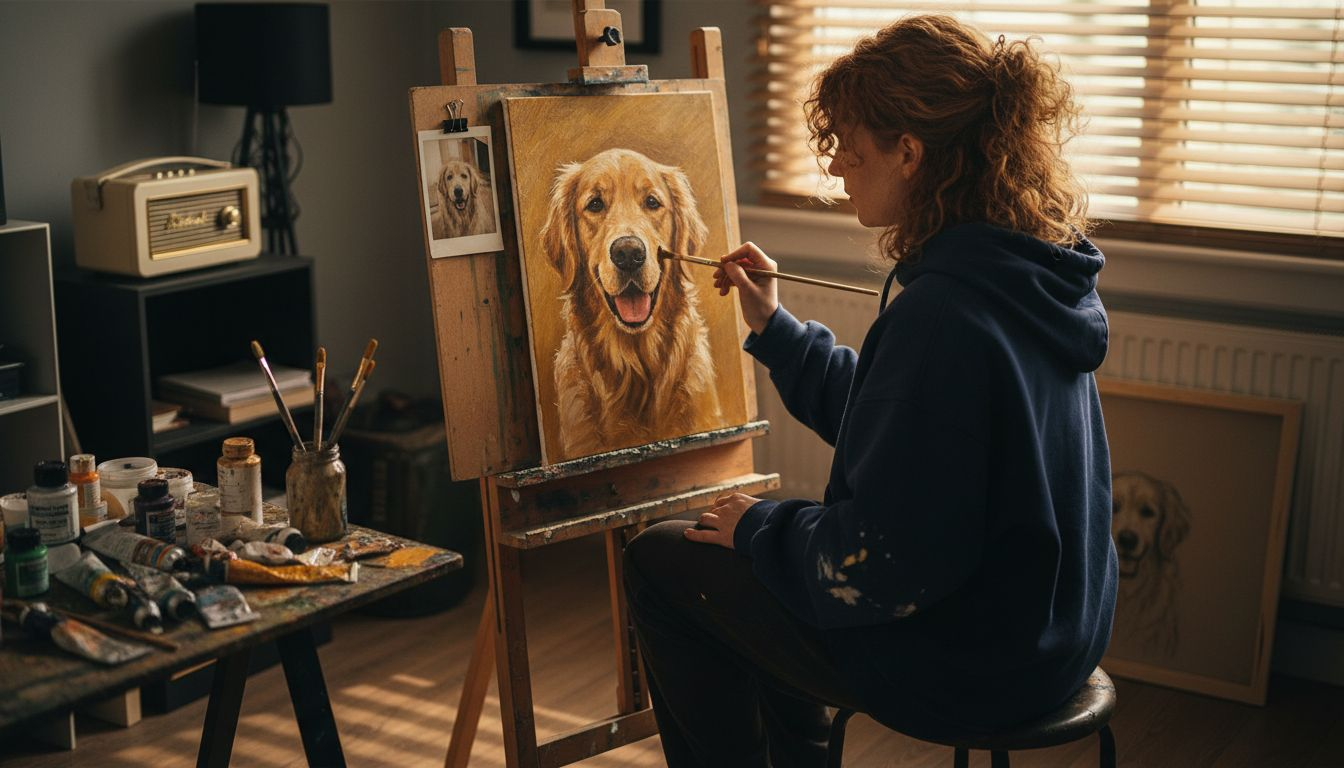
Start by exploring artists’ portfolios online. Instagram, artist websites, and gallery collections offer windows into their work. Look for artists who have created pieces similar to what you want, whether that’s pet portraits, family groups, or specific styles like realism or impressionism. Pay attention to how they handle composition, light, and capturing personality. You might find yourself drawn to certain artists instinctively, and that matters. Trust that gut feeling, but also look beyond it. Resources like portrait painter selection guidance can help you evaluate artists based on style, fees, and working methods, ensuring you’re making informed choices rather than decisions based purely on aesthetics. Don’t assume location matters. Many professional artists travel to meet clients or work from photographs, so geographical distance rarely presents a genuine barrier anymore. What does matter is finding someone whose artistic approach resonates with your brief and whose fees fit your budget.
Once you’ve identified several promising candidates, reach out to them directly. A good conversation reveals whether an artist understands your vision and whether you’ll work well together. Ask about their process, timescale, and how they handle revisions. Discuss references or testimonials from previous clients, particularly those who’ve commissioned similar work. Some artists belong to professional organisations that can verify their credentials and artistic standing, offering additional reassurance about their experience and reputation. A talented artist who understands your project and makes you feel confident is worth more than a famous name who seems distant or dismissive. Trust your instincts about personality fit alongside technical ability, because commissioning a portrait involves collaboration and communication across weeks or months.
Professional tip Request to see not just finished portraits but works in progress from previous commissions, as this shows the artist’s actual working method and gives you insight into how they’ll handle your specific project.
Step 3: Contact artists and discuss custom requirements
Now that you’ve identified artists whose work appeals to you, it’s time to have the conversation that transforms your vision into a concrete commission. This is where your initial ideas meet professional expertise, and where you’ll establish whether an artist can deliver exactly what you’re imagining.
Reach out to your top choice with a clear, friendly message. Explain what you’re commissioning, share your reference images, and describe the mood or story you want the portrait to convey. Don’t worry about being overly detailed in your first contact, but do give the artist enough information to understand your project. Most professional portrait artists will respond within a few days. When you connect, whether through email, phone call, or an initial consultation, portrait commission discussions typically cover essential details such as size, medium, style, pose, and background elements. This ensures you and the artist share the same vision before any work begins. Size matters more than people realise. A portrait that works beautifully at A4 might feel cramped or oversized in different contexts. Discuss where it will hang and what scale feels appropriate for that space. Be specific about medium too. If you’ve fallen in love with oil painting’s richness, say so. If you want digital art that can be reproduced or shared easily, mention that. Your preferences about whether the background should be plain, naturalistic, or abstract deserve to be part of this conversation, as these choices significantly affect the final impact.
During your discussion, ask the artist about their timeline. Commissions aren’t quick projects, typically ranging from six weeks to several months depending on complexity and the artist’s workload. Clarify what happens next, whether you’ll need to provide reference photographs, attend sittings, or submit additional information. Discuss fees openly and confirm what’s included in the price. Does revision count toward the fee, or does it cost extra? What’s the payment schedule? Getting these details sorted now prevents misunderstandings later. A transparent conversation at this stage means you can move forward with confidence, knowing exactly what to expect.
Professional tip Prepare a reference folder with three to five images showing the style and mood you love, plus clear photographs of your subject from different angles and lighting conditions. Share this during your initial discussion to ensure the artist has everything needed to create your vision.
Step 4: Confirm pricing and agree on portrait details
Before you commit financially, you need absolute clarity on costs, payment terms, and exactly what you’re paying for. This step protects both you and the artist by establishing clear expectations in writing. Money conversations can feel uncomfortable, but they’re essential for a smooth commission experience.
Understand that portrait pricing varies significantly based on several factors. The size of the work matters substantially. A small head-and-shoulders study costs far less than a full-length family portrait. The medium you’ve chosen affects price too. Oil paintings command higher fees than charcoal or digital work, reflecting the time and materials involved. The number of subjects also matters, as does the artist’s experience and reputation. When you have that pricing discussion, portrait commission costs depend on size, medium, and subject count, so understanding these variables helps you grasp why two artists might quote very different prices for seemingly similar work. Don’t automatically choose the cheapest option. An established artist charging more has proven expertise and a track record you can trust. Ask the artist to break down their fees clearly. What does the base price include? How many revision rounds are part of that fee? Some artists include two revisions in their quote, whilst others charge extra after the first revision. Clarify this upfront to avoid surprises.
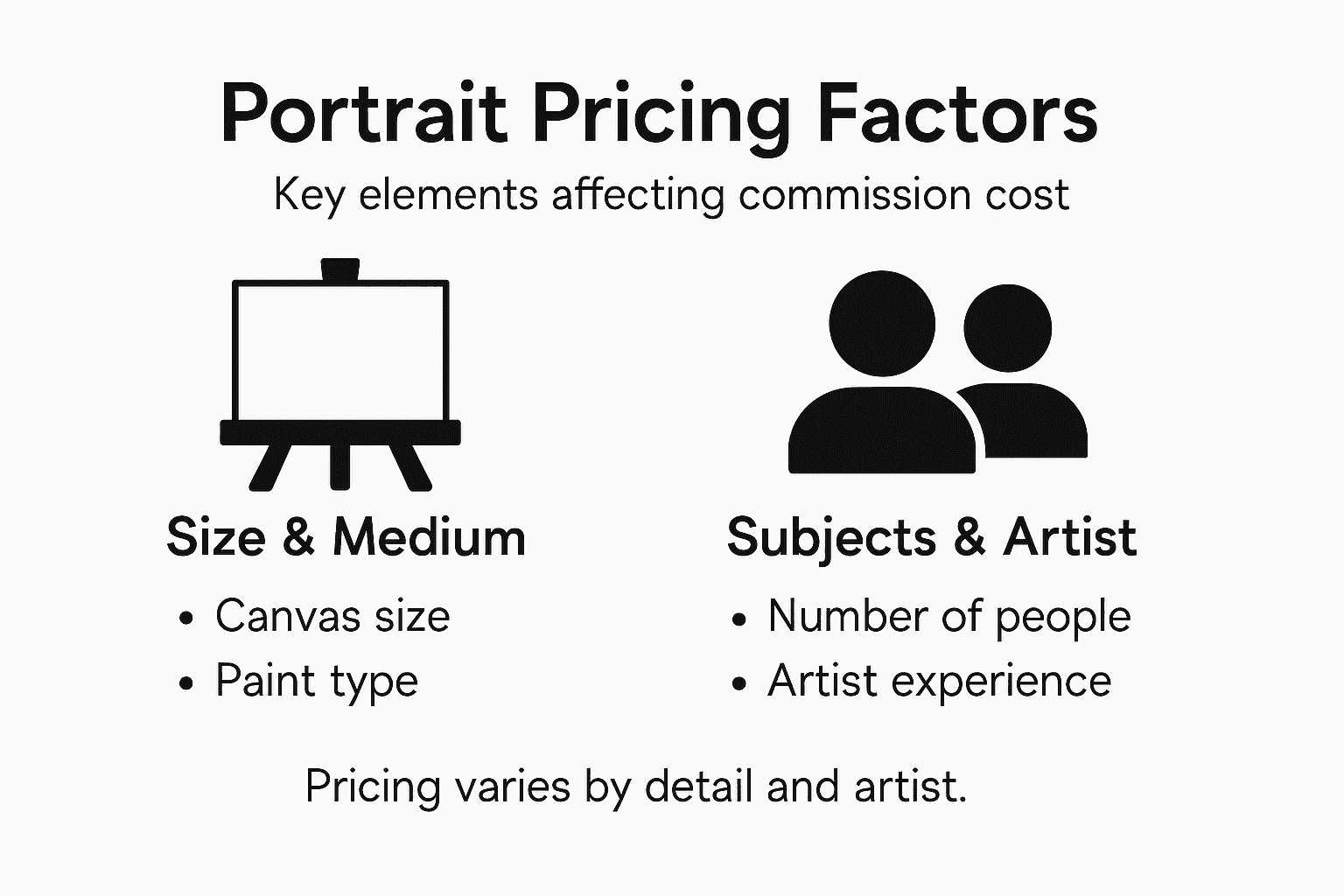
Below is a summary of factors that influence portrait pricing:
| Factor | Effect on Price | Why It Matters |
|---|---|---|
| Size | Larger increases cost | Requires more time/materials |
| Medium | Oil costs more than digital | Oil is labour-intensive |
| Number of Subjects | Multiple subjects add fees | Increases complexity |
| Artist’s Experience | More experience, higher fees | Demonstrates skill and demand |
| Revision Rounds | Extra rounds add cost | Extends working time |
Discuss the payment schedule and deposit amount. Most professional artists request a deposit, typically 25 to 50 percent of the total fee, to secure your commission and cover materials costs. Agree on when the remaining balance is due. Some artists request full payment upon completion before the portrait is delivered. Others split it into instalments tied to project milestones. Ask specifically about revision policies, timelines, and any costs associated with additional changes beyond what was agreed. This is the moment to get everything in writing. A simple written agreement doesn’t need to be formal or intimidating, but it should document the fee, payment schedule, revision limits, timeline, and what happens if either party needs to cancel. This protects both of you and eliminates ambiguity as your commission progresses.
Professional tip Request an itemised quote from the artist that specifies the base fee, deposit amount, payment schedule, revision policy, and timeline. Having this in writing means you both reference the same agreement throughout the project.
Step 5: Verify artwork progress and ensure satisfaction
As your commission develops, you’ll have opportunities to review the work at key stages and provide feedback. This ongoing dialogue ensures the artist stays aligned with your vision and allows you to address any concerns before the final piece is completed. Waiting until the end to voice dissatisfaction is too late.
Most professional artists work in phases and will share their progress at agreed points. You might see an initial sketch or compositional layout first. This is your chance to confirm that the pose, positioning, and overall composition match what you imagined. Look at how your subject is positioned within the frame. Do the proportions feel right? Is the background working as you discussed? At this stage, portrait artwork milestones typically include sketches and colour studies where clients review and approve work before the artist moves forward. Providing detailed feedback at this point prevents wasted effort later. Rather than saying “it doesn’t feel right,” be specific. Perhaps the expression feels too formal when you wanted warmth, or the background is too busy when you preferred simplicity. The artist needs concrete observations to work with. As the work progresses to colour studies or more finished stages, you’ll continue this review cycle. Don’t hesitate to request revisions within your agreed revision limits. That’s exactly what they’re for. A good artist welcomes constructive feedback and views it as part of their professional responsibility.
Communicate promptly during these review phases. If the artist sends you a progress image, respond within a few days with your thoughts. Delayed feedback creates bottlenecks and extends timelines unnecessarily. If something troubles you, address it immediately rather than hoping it will improve. Some concerns that feel minor at the sketch stage become major issues in the final work. Keep records of all feedback you provide, including dates and what you requested. This protects both you and the artist by creating a clear record of approvals and revisions. When you finally receive the finished portrait, take time to view it in the space where it will live. Different lighting, wall colours, and surroundings significantly affect how a portrait appears. Ensure you’re genuinely satisfied before making the final payment.
Professional tip Request progress updates on a specific schedule, such as every two weeks, and always provide feedback within forty-eight hours so the project maintains momentum and you stay actively engaged throughout creation.
Step 6: Arrange delivery and preserve your commissioned portrait
Your portrait is finished, and now comes the crucial phase of getting it safely to your home and ensuring it stays beautiful for years to come. Delivery and preservation matter as much as the creation itself, so don’t rush through these final steps.
Discuss framing with your artist before the portrait leaves their studio. Many artists have strong recommendations about frame styles that enhance their work without overwhelming it. A gilded frame might suit a classical oil painting, whilst a simple natural timber frame complements contemporary styles. The frame protects the artwork from dust, moisture, and physical damage, so this is both an aesthetic and practical decision. Ask your artist for guidance, as they understand how different frames interact with their colour palettes and compositions. Once framing decisions are made, arrange delivery carefully. Portrait delivery options include hand delivery where feasible, professional art couriers, and installation services to ensure safe transport and proper hanging. For valuable pieces, especially oils or large works, professional art couriers are worth the investment. They insure the artwork during transit and handle it with expertise designed specifically for fine art. If your portrait is being posted to you, confirm that the artist uses appropriate protective packaging. Fragile mediums like pastel or charcoal require special care, as do unglazed paintings.
When your portrait arrives, inspect it carefully before signing off on delivery. Check that it’s unharmed during transport and matches what you approved. Once you’re satisfied, focus on long-term preservation. Protecting portrait quality involves proper display conditions and careful maintenance, so understand how to care for your specific medium. Oil paintings benefit from occasional gentle cleaning and should hang away from direct sunlight, which fades colours over time. Watercolours need UV-protective glazing and should never be exposed to excessive moisture. Digital prints last longest when displayed away from humid environments. Frame placement matters too. Avoid hanging portraits above fireplaces or radiators, where heat and smoke damage the surface. Position them where they’ll be viewed and enjoyed, not hidden away, because a portrait’s true purpose is to bring joy and connection to your space for decades to come.
Professional tip Ask your artist for written care instructions specific to your portrait’s medium and frame, then keep these instructions with any documentation you maintain. This ensures future generations know how to preserve the artwork properly.
Transform Your Vision into Timeless Pet or Family Portraits
Commissioning a portrait can feel overwhelming with so many choices about style, medium, and artist selection to consider. The article highlights common challenges like defining your portrait’s mood, handling pricing details, and ensuring the final artwork truly captures your cherished loved ones or pets. At The Family Portrait Company, we understand these concerns and provide a seamless path to creating custom portraits that become treasured heirlooms. Whether you seek a warm, intimate charcoal sketch or a vibrant digital piece, our expert artists help bring your vision to life.
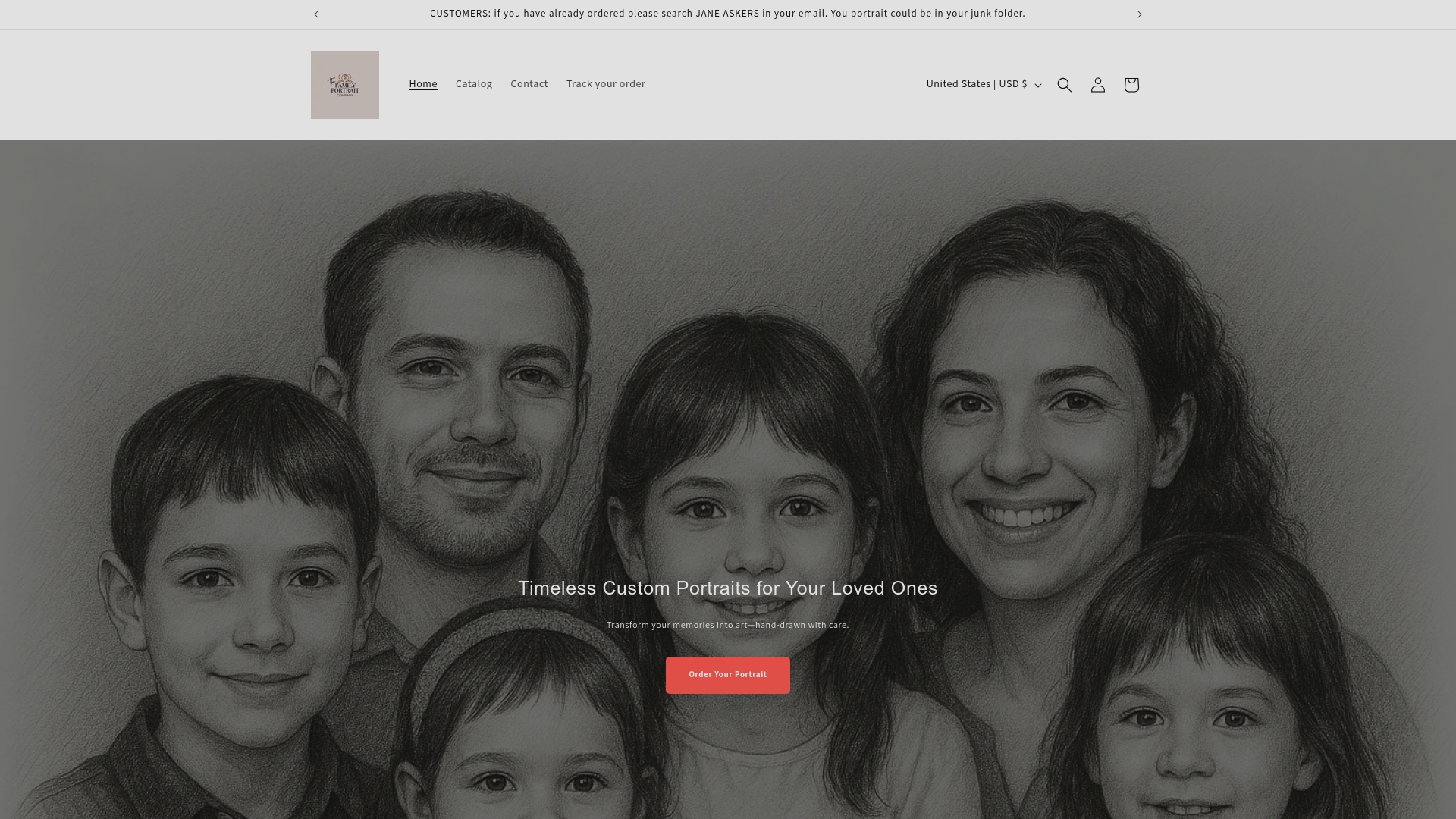
Explore our curated gallery on the Home page – The Family Portrait Companys to discover styles that inspire you. Begin your commission with confidence by visiting our website where clear pricing, transparent processes, and personalised customer support await. Don’t wait to turn your favourite photographs into heartfelt keepsakes that celebrate your family or beloved pet. Start your journey to a custom portrait today by exploring our collections and contacting us for a tailored consultation.
Frequently Asked Questions
How do I identify my needs for commissioning a pet or family portrait?
To identify your needs, consider the purpose of the portrait, the emotional tone you want to convey, and the medium that best suits your style. Clarify whether it’s a gift for a special occasion or a lasting family heirloom, and then list any specific styles, sizes, and budgets that fit your vision.
What factors should I consider when selecting a portrait artist for my commission?
When selecting a portrait artist, explore their portfolios to ensure their style aligns with your vision. Evaluate factors like their experience, client testimonials, and whether their artistic approach complements the subject matter and your overall aesthetic preferences.
How should I prepare for my first conversation with a portrait artist?
Prepare for your first conversation by gathering reference images that represent the style and mood you want for your portrait. Share any specific details about the subject, such as their personality traits, and clearly explain your expectations on size, medium, and overall composition to facilitate a productive discussion.
What are common pricing factors for commissioning a portrait?
Portrait pricing generally depends on factors such as size, medium, number of subjects, and the artist’s experience. Understand that larger pieces or those in traditional mediums like oil painting may cost more than smaller, modern styles, so discuss these criteria with your chosen artist to establish a clear fee structure.
How can I ensure I am satisfied with the portrait during its creation?
Maintain open communication with the artist throughout the creation process, ensuring they provide regular updates and draft sketches for your input. Respond promptly to their progress reports with constructive feedback, which helps refine the work and maintains momentum.
What steps should I take for preserving my commissioned portrait once it’s finished?
To preserve your commissioned portrait, first discuss framing options with the artist to protect the artwork from dust and damage. Once it’s framed, display it in a suitable environment away from direct sunlight, moisture, and extreme temperatures, and follow care instructions given by the artist to maintain its quality.
Recommended
- 7 Creative Pet Portrait Gift Ideas for Animal Lovers – The Family Portrait Companys
- Pet Portraits for Gifting: Complete Expert Guide – The Family Portrait Companys
- Role of Portraits as Gifts: Meaningful Tributes for Pet Lovers – The Family Portrait Companys
- 7 Creative Ways to Use Pet Portraits for Your Home – The Family Portrait Companys
- Top Tips for Pet Communication in 2025: Simple Methods for Success – iPupPee