
Hand-Painted Portraiture: Preserving Your Pet’s Legacy
Over 60 percent of British households include at least one pet, making the bond between humans and their animals deeply personal across the UK. The desire to celebrate this connection has driven more pet owners to seek hand-painted portraits that truly capture their companions’ spirit. With each brushstroke, a unique story unfolds, offering a timeless keepsake far more meaningful than any photograph. Discover what sets authentic British artistry apart in crafting these treasured memories.
Table of Contents
- Defining Hand-Painted Portraiture In Art
- Styles And Techniques For Pet Portraits
- The Creative Process: From Photo To Painting
- Comparing Hand-Painted And Digital Portraits
- Commissioning Costs And Common Pitfalls
Key Takeaways
| Point | Details |
|---|---|
| Artistic Tradition | Hand-painted portraiture is a deeply rooted art form that captures not just likeness but the essence and character of individuals. |
| Diverse Techniques | Styles range from realistic to impressionistic, requiring a mastery of various artistic techniques and mediums. |
| Commissioning Insights | When commissioning portraits, communicate clearly about style preferences and provide high-quality reference images to ensure satisfaction. |
| Comparison of Mediums | Each painting medium offers unique aesthetic effects and costs, influencing the choice based on personal preferences and budget. |
Defining hand-painted portraiture in art
Hand-painted portraiture represents a profound artistic tradition where skilled artists capture an individual’s likeness, character, and essence through painterly techniques. Portraiture has historically been a powerful medium for representing human identity, emotion, and social status across diverse cultural contexts.
Unlike photographic representations, hand-painted portraits offer nuanced interpretations that transcend mere visual documentation. Artists use brushstrokes, colour palettes, and compositional techniques to reveal deeper psychological dimensions of their subjects. The intricate process involves carefully selecting pigments, understanding human anatomy, and employing sophisticated painting methods that transform a blank canvas into a vivid, emotionally resonant representation.
Techniques in hand-painted portraiture vary widely, ranging from hyper-realistic renderings to impressionistic and abstract interpretations. Traditional portraiture captures subjects’ fundamental qualities through meticulous observation and technical mastery. Artists might employ oil paints for rich, luminous textures, watercolours for delicate translucency, or acrylics for bold, contemporary expressions.
Pro tip: When commissioning a hand-painted portrait, discuss the artist’s preferred style and technique to ensure the final artwork authentically represents your vision and emotional connection.
Styles and techniques for pet portraits
Pet portrait artistry encompasses a rich spectrum of styles, each offering a unique approach to capturing an animal’s spirit and individual character. Professional pet portrait techniques require exceptional skill in rendering intricate details like fur texture, eye expression, and subtle personality nuances.
Artists typically employ several distinctive styles when creating pet portraits. Realistic portraiture demands precise anatomical understanding, focusing on capturing exact fur patterns, muscle structures, and lifelike expressions. Alternatively, impressionistic styles use looser brushwork and more interpretative colour palettes to convey the animal’s emotional essence rather than photographic precision. Pet portrait styles vary significantly between approaches like watercolour soft renderings, bold acrylic representations, and delicate pencil sketches.
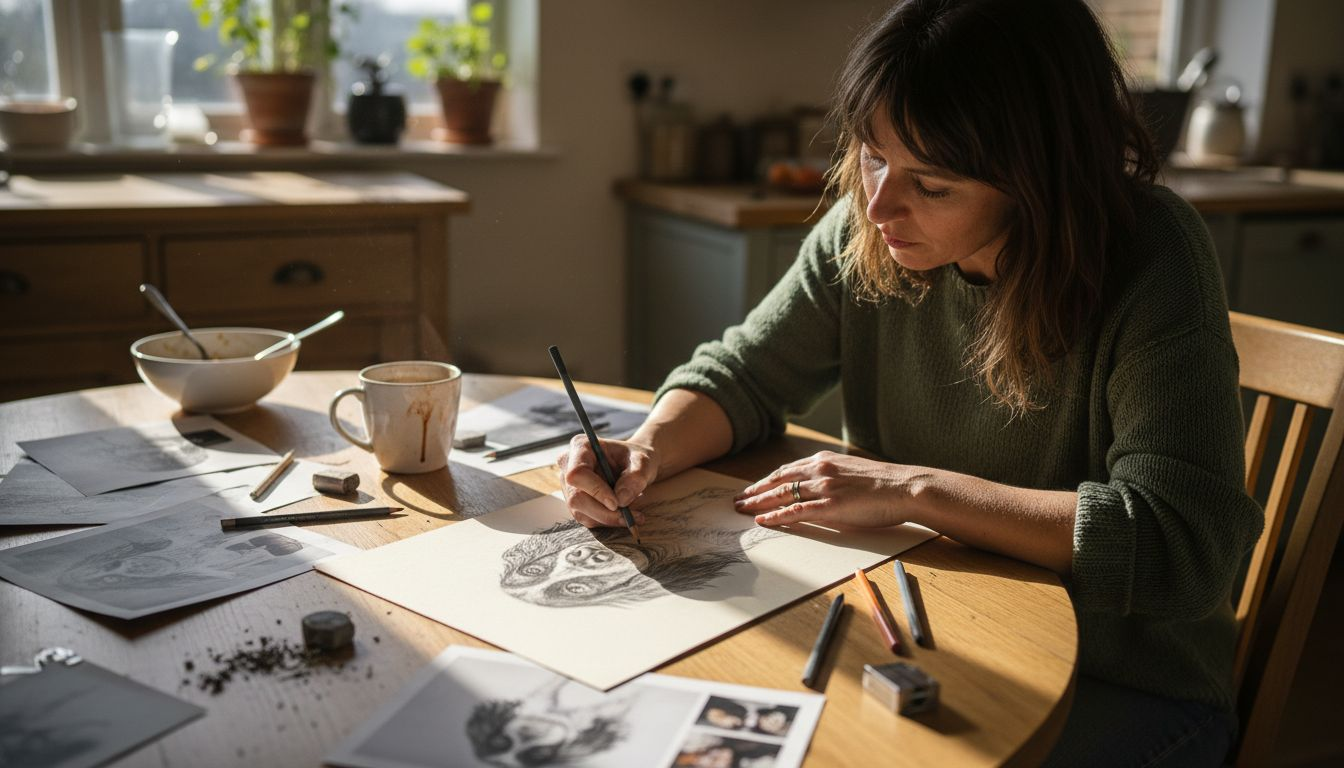
Technical mastery involves understanding medium-specific techniques. Watercolour artists layer translucent washes to create soft fur textures, while oil painters build depth through multiple glazing techniques. Coloured pencil artists meticulously layer pigments to simulate fur’s complex structural patterns, creating remarkably lifelike representations that capture an animal’s unique character and spirit.
Pro tip: Request preliminary sketches from your portrait artist to ensure their chosen style authentically represents your pet’s unique personality and physical characteristics.
Here’s a quick comparison of popular painting mediums for pet portraiture and their typical artistic effects:
| Medium | Artistic Effect | Durability | Typical Cost Range |
|---|---|---|---|
| Oil Paint | Rich, layered texture | Very long-lasting | £800–£3,500 |
| Watercolour | Delicate, translucent look | Moderate lifespan | £150–£700 |
| Acrylic | Bold, modern finish | Highly durable | £200–£1,200 |
| Pencil | Fine, detailed sketch | Can be fragile | £100–£400 |
The creative process: from photo to painting
Transforming a cherished pet photograph into a hand-painted masterpiece is an intricate journey that requires careful consideration and artistic expertise. Portrait creation involves multiple nuanced stages where photographers and artists collaborate to capture the essence of a beloved animal companion.
The initial phase begins with selecting the perfect reference photograph. Artists seek images that showcase the pet’s unique personality, capturing distinctive features like eye colour, fur texture, and characteristic poses. Photographic selection is critical, as the original image serves as the foundational blueprint for the painted portrait. Skilled artists analyse lighting, composition, and emotional resonance, determining which aspects will translate most effectively into a painted medium.
Once the ideal photograph is chosen, artists commence a meticulous transformation process. They begin with preliminary sketches, mapping out the composition and capturing the animal’s fundamental structural characteristics. Colour palettes are carefully considered, with artists making deliberate choices about tone, shadow, and highlight to ensure the painted portrait maintains the subject’s authentic spirit. Some artists create multiple preparatory sketches, refining details and experimenting with different stylistic approaches before committing to the final painted interpretation.
Pro tip: Provide multiple reference photographs to your artist, including images that showcase different angles and expressions, to help them create a more comprehensive and emotionally resonant portrait.
Comparing hand-painted and digital portraits
The world of pet portraiture offers two distinctive artistic approaches: traditional hand-painted and modern digital representations, each with unique characteristics and emotional resonance. Traditional versus digital pet portraits present nuanced differences that discerning pet owners should carefully consider before selecting their preferred artistic medium.
Hand-painted portraits represent a time-honoured artistic tradition, delivering unparalleled depth and textural complexity. These artworks are meticulously crafted using physical materials like oils, watercolours, or acrylics, allowing artists to create rich, layered representations with subtle variations in brushwork and pigmentation. Each stroke contributes to a unique, irreplaceable piece that captures not just the pet’s physical appearance, but their intrinsic character and emotional essence. The tangible nature of hand-painted portraits means they can be treasured as genuine art pieces, potentially becoming family heirlooms passed through generations.
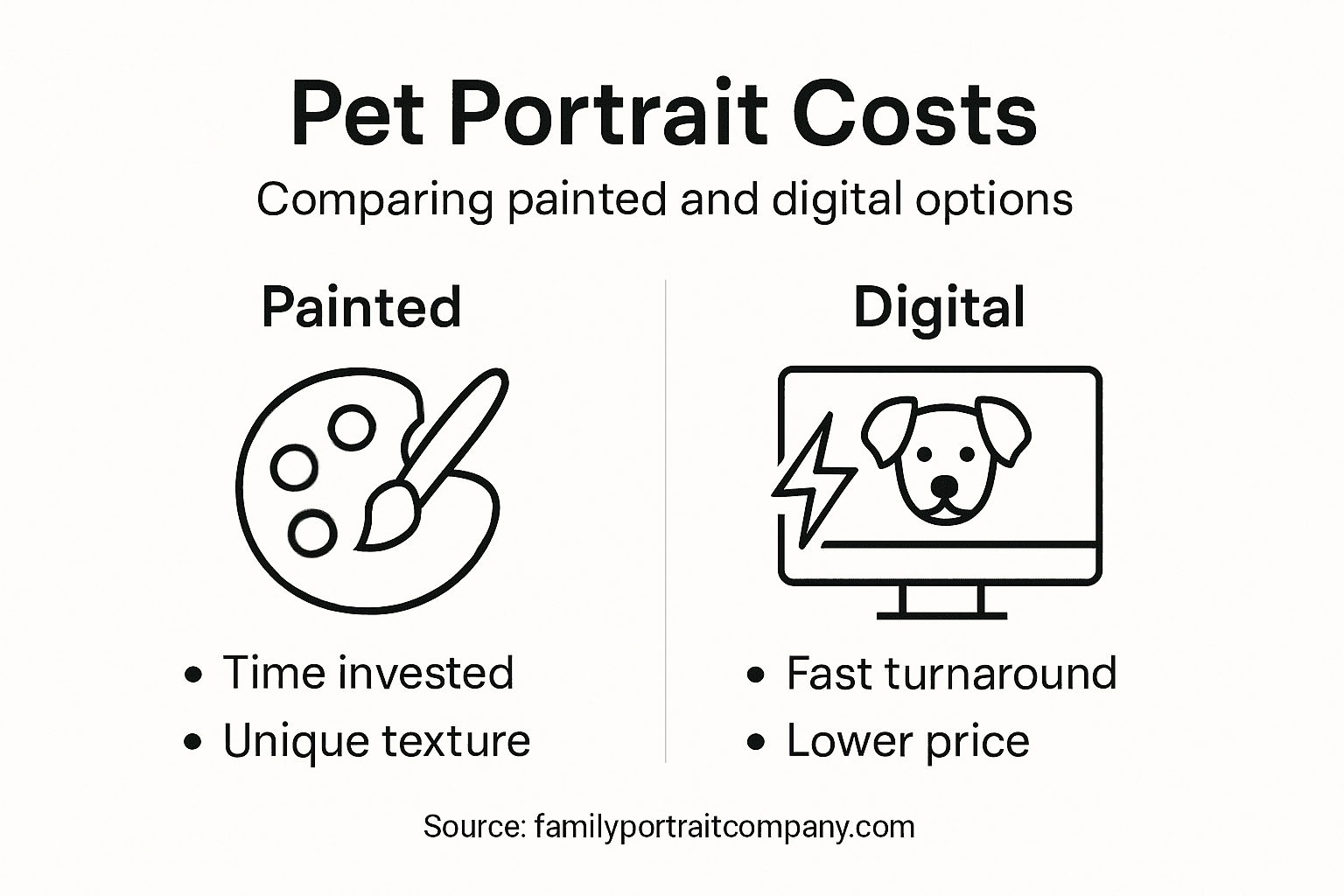
Digital portraits, by contrast, offer a more contemporary and technologically driven approach to pet memorialisation. These digital renderings provide greater flexibility, faster production times, and often more affordable pricing structures. Artists can quickly manipulate colours, experiment with multiple styles, and make instantaneous revisions. However, digital portraits typically lack the textural depth and organic warmth inherent in hand-painted works, potentially feeling more mechanical and less emotionally nuanced.
Pro tip: Consider your personal preferences, budget, and desired emotional impact when choosing between hand-painted and digital pet portraits, remembering that each medium offers a distinctive way of immortalising your beloved companion.
Commissioning costs and common pitfalls
Commissioning a hand-painted pet portrait involves navigating a complex landscape of artistic pricing and potential challenges. Pet portrait costs in the UK vary significantly depending on multiple critical factors that every potential client should understand before engaging an artist.
Pricing factors play a crucial role in determining the overall investment required for a custom portrait. The size of the artwork, chosen medium, artist’s professional experience, and complexity of the subject dramatically influence the final cost. Pastel portraits might start around £150, while intricate oil paintings could range from £800 to £3,500. Smaller sketches tend to be more affordable, whereas larger, multi-pet compositions or highly detailed photorealistic renderings command premium pricing. Artists with established reputations and extensive portfolios naturally charge higher rates reflecting their expertise and artistic reputation.
Navigating potential pitfalls requires careful preparation and clear communication. Common mistakes include providing low-quality reference photographs, failing to discuss specific artistic expectations, and overlooking additional expenses like framing or shipping. Pet owners should prepare high-resolution images that capture their animal’s distinctive features, personality, and characteristic poses. Transparent discussions about artistic style, desired background, and precise expectations help prevent misunderstandings and ensure the final artwork meets the client’s vision.
Pro tip: Request a detailed written quote that explicitly outlines all costs, including potential revisions, framing, and shipping, to avoid unexpected financial surprises during the portrait commissioning process.
Below is a summary of essential steps and considerations when commissioning a custom pet portrait:
| Step | Key Consideration | Impact on Outcome |
|---|---|---|
| Reference selection | High-resolution, expressive photos | Enhances likeness and detail |
| Artistic brief | Clear description of style | Aligns expectations |
| Communication | Discuss costs and revisions | Prevents misunderstandings |
| Final review | Confirm satisfaction before framing | Ensures long-term value |
Preserve Your Pet’s Spirit with Exquisite Hand-Painted Portraits
Capturing your beloved pet’s unique character and essence is a deeply personal journey. Choosing the right artist and style is essential to transform treasured photographs into timeless hand-painted portraits that speak to your heart. At The Family Portrait Company, we understand the importance of authenticity, meticulous detail, and emotional resonance in each custom pet portrait.

Bring your pet’s legacy to life today by exploring our handcrafted portrait collection at familyportraitcompany.com. Whether you seek classical oil paintings or delicate watercolour renderings, our skilled artists collaborate closely with you to ensure your vision shines through every brushstroke. Don’t wait to create a lasting tribute that will be cherished for generations.
Frequently Asked Questions
What is hand-painted portraiture?
Hand-painted portraiture is an artistic tradition where artists capture an individual’s or pet’s likeness and essence using traditional painting techniques, creating a unique and emotionally resonant representation that transcends photographic documentation.
What are the different styles of pet portraiture available?
Pet portraiture can vary widely in style, including realistic portrayals that focus on anatomical accuracy and impressionistic styles that prioritise emotional expression, each offering distinct artistic effects.
How can I ensure my pet portrait authentically represents my pet’s character?
To ensure an accurate representation, provide your artist with high-quality reference photos showcasing your pet’s unique features and personality, and discuss your artistic preferences and desired style clearly.
What factors influence the cost of commissioning a hand-painted pet portrait?
The cost is influenced by several factors, including the size of the artwork, the chosen medium, the artist’s experience, and the complexity of the subject. Prices can range from more affordable sketches to higher costs for detailed oil paintings.
Recommended
- Understanding Pet Portrait Preservation Tips for Lasting Memories – The Family Portrait Companys
- 7 Inspiring Examples of Pet Portraits to Cherish – The Family Portrait Companys
- 7 Types of Pet Portraits Every Owner Should Know – The Family Portrait Companys
- Pet Memorial Portraits Explained: Lasting Tributes to Pets – The Family Portrait Companys
- Hair Dryer Grooming Brush – My Animal Lovers